Today at 12:01
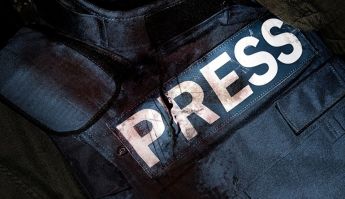
Russia’s large-scale attacks on Ukraine’s media community have demonstrated the urgent need to strengthen international standards for the protection of journalists working in conflict zones, according to Yaroslav Yurchyshyn, Chairman of the Verkhovna Rada Committee on Freedom of Speech, UATV English reports, citing Ukrinform.
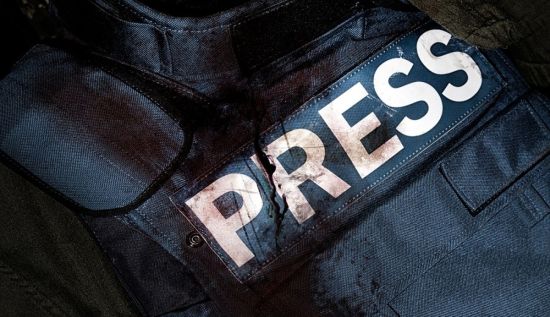
Speaking at the International Conference on Media Literacy, Yurchyshyn said that Russia has committed more than 900 crimes against Ukrainian media since the start of its full-scale invasion, making journalism in Ukraine one of the world’s most dangerous professions.
“Preventing cognitive attacks and building effective strategic narratives is impossible without strong media. At the same time, journalists can only perform this role if they are able to work safely,” Yurchyshyn said.
According to the lawmaker, at least 139 media workers have been killed during the war, although he noted that the figure continues to change as new information becomes available.
Some of those killed were civilian journalists who were not participating in combat and lost their lives while carrying out professional reporting assignments.
Yurchyshyn also said that 26 Ukrainian journalists remain in Russian captivity.
Among them was journalist Viktoria Roshchyna, who died while being held by Russian authorities.
“All of this demonstrates how dangerous it is to work as a journalist in Ukraine today,” he said.
The chairman of the parliamentary committee argued that the scale of these attacks requires a reassessment of existing approaches to journalist safety.
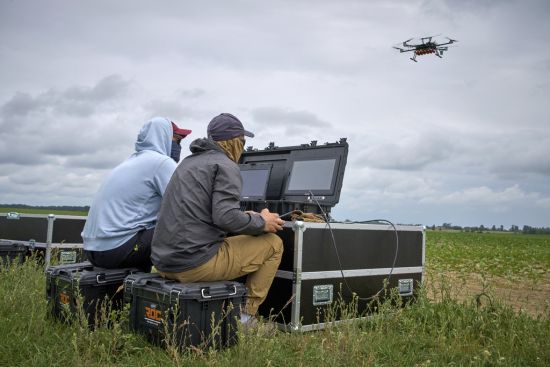
According to Yurchyshyn, one practical priority is expanding access to equipment that can protect media workers from increasingly common drone threats.
He noted that drone detection systems are already permitted and are being supplied with the support of international partners.
“The next step is to convince decision-makers that anti-drone guns are not offensive weapons. They are tools designed to protect people from drones,” Yurchyshyn said.
He argued that such equipment should be regarded solely as a means of personal protection, allowing journalists and other civilians working near the front line to defend themselves against aerial threats.
“This would allow them to be purchased both with domestic resources and through international assistance programs,” he added.
Beyond physical security, the lawmaker also emphasized the importance of strengthening the financial sustainability of local media outlets.
According to Yurchyshyn, economically stable media organizations are better able to maintain editorial independence and continue informing the public despite wartime pressures.
“Financial stability is one of the key conditions for media independence,” he said.
The remarks come as attacks on journalists and media infrastructure continue to draw international attention.
According to the National Union of Journalists of Ukraine, at least 152 members of Ukraine’s media community have lost their lives since the beginning of Russia’s full-scale invasion.
Ukrainian officials argue that protecting journalists has become an increasingly urgent component of defending freedom of expression and ensuring the continued flow of reliable information during wartime.
Read also: Zelenskyy Urges Partners at OSCE to Supply More Patriot Missiles