Today at 15:53

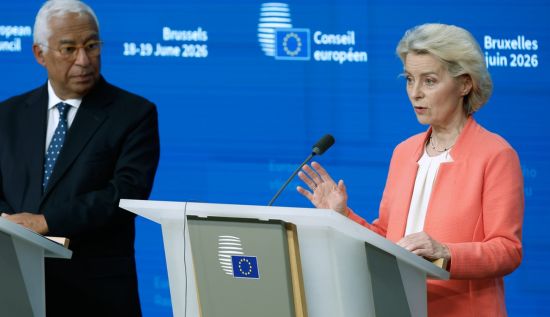
The European Union is entering a new phase of sanctions against Russia, shifting its focus from expanding blacklists to disrupting the financial and logistical infrastructure that enables Moscow’s energy exports. The proposed 21st sanctions package reflects a broader strategy aimed at increasing pressure on Russia’s war economy through financial restrictions, energy measures, and stronger enforcement.
The new proposals target dozens of Russian financial institutions, crypto platforms, and companies accused of helping Moscow circumvent existing sanctions. They also introduce additional measures against Russia’s energy sector, including restrictions affecting LNG transport, oil trading networks, and vessels associated with the so-called “shadow fleet” used to export sanctioned Russian oil.
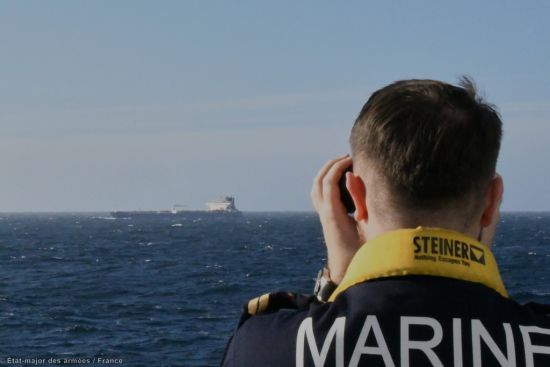
At the same time, Western governments are moving beyond economic restrictions toward direct maritime enforcement. In June, British authorities carried out their first operation against a sanctioned shadow fleet tanker, boarding and inspecting the vessel after it lost its national registration. The operation marked a significant escalation in the practical enforcement of sanctions at sea and signaled a willingness to target not only the ships themselves but also the broader support network that keeps them operating.
European officials have also proposed expanding sanctions to companies providing logistical services such as bunkering and fuel supplies to blacklisted vessels. The objective is to make it increasingly difficult for Russia’s alternative shipping network to continue transporting oil to international markets.
These developments coincide with signs that sanctions are having a growing impact on Russia’s external trade and financial system. Rather than relying solely on additional listings, European policymakers are increasingly seeking to disrupt the infrastructure that allows sanctioned exports to continue despite previous restrictions.
While the new sanctions package still requires unanimous approval from EU member states, it illustrates a broader evolution in Western strategy. Economic pressure is increasingly being combined with operational enforcement, signaling that sanctions are no longer viewed simply as legal instruments but as part of a wider effort to constrain Russia’s ability to finance its war.
Read the full article by Ivan Us, PhD in Economics and Associate Expert at the United Ukraine Think Tank.