Today at 19:04

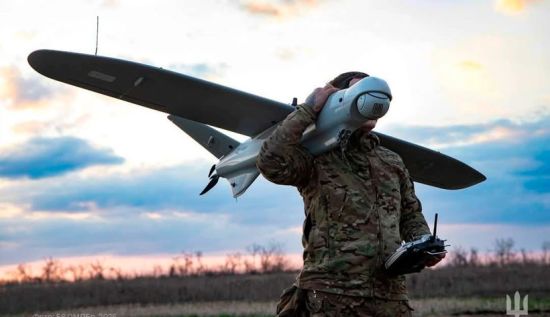
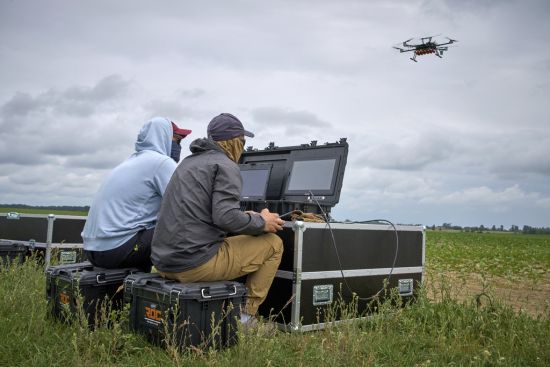
Ukraine’s battlefield experience with unmanned systems is beginning to reshape its role in international security, as combat-tested drone technologies attract growing interest from partners in the Indo-Pacific. Discussions with companies and defense stakeholders in Japan and Taiwan suggest that Ukrainian innovations are increasingly being viewed not only as wartime solutions but also as valuable tools for regional deterrence.
Several Ukrainian drone manufacturers have launched efforts to establish partnerships with Japanese industry, proposing local production of Ukrainian-designed systems for both Japan’s own defense needs and those of regional allies. The appeal lies not only in the technology itself, but in years of operational experience gained during Ukraine’s defense against Russia’s full-scale invasion.
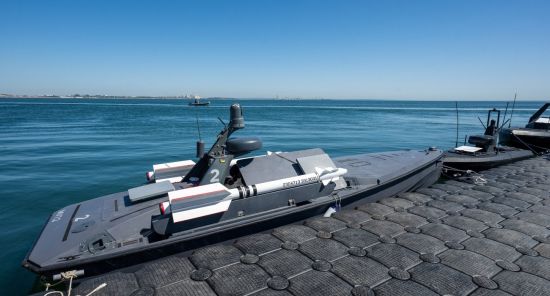
Maritime drones developed in Ukraine have demonstrated their effectiveness in the Black Sea, where they have fundamentally altered Russia’s naval operations. Other Ukrainian companies are promoting reconnaissance and strike platforms that could help address the security challenges faced by countries across the Indo-Pacific, particularly those seeking cost-effective unmanned capabilities.
Japan offers significant industrial capacity, investment, and a rapidly expanding defense sector, while Ukraine contributes battlefield-tested designs, operational doctrine, and the ability to adapt technology quickly under combat conditions. Together, these strengths could create a model in which Japanese manufacturing supports wider regional deployment of Ukrainian-developed drone systems.
Cooperation is also gradually expanding with Taiwan, where Ukrainian companies are working to diversify supply chains for drone components and reduce dependence on Chinese manufacturing. The relationship has become increasingly reciprocal, with Taiwan supplying large numbers of unmanned systems to Ukraine while Ukrainian expertise contributes to the next generation of drone development.
Beyond industrial cooperation, the article argues that Ukraine is beginning to export an operational concept rather than simply military equipment. The tactics developed during the war—including mass deployment of low-cost drones, maritime denial, and rapid technological adaptation—align closely with the defense requirements of countries preparing to deter larger military powers.
While political sensitivities, export controls, and regional security considerations remain important constraints, the broader trend is becoming increasingly clear. Ukraine is evolving from a recipient of military assistance into a contributor to the security architectures of democratic partners far beyond Europe, offering practical lessons drawn from one of the world’s most technologically dynamic battlefields.
Read the full article by Dmytro Levus, foreign policy expert and analyst at the Kyiv-based United Ukraine Think Tank.