Today at 16:04

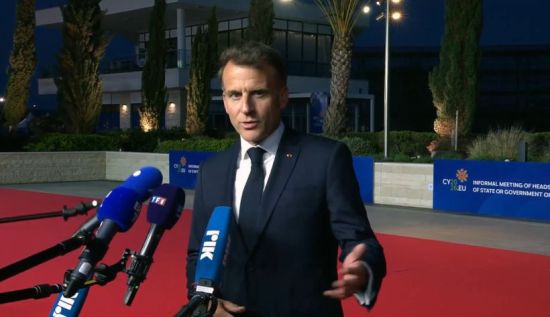
As Europe embarks on its largest defense spending program since the Cold War, a key question is emerging: can strategic autonomy be achieved simply by increasing military budgets, or does it depend on developing new defense capabilities together with Ukraine?
The European Union has pledged to mobilize up to €800 billion for defense by the end of the decade. Yet analysts point out that a significant share of this investment continues to flow to American defense manufacturers through purchases of aircraft, missile systems, and other military equipment. While these acquisitions strengthen European security in the short term, they also reinforce long-term dependence on U.S. technologies and supply chains.
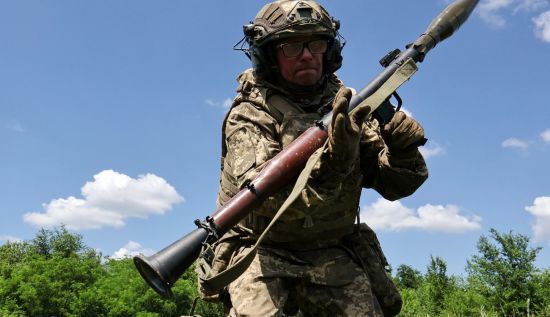
At the same time, the war in Ukraine has accelerated the development of a different model of defense innovation. Faced with limited resources and constant battlefield pressure, Ukraine has rapidly built cost-effective solutions in drone production, battlefield management, and layered air defense that are increasingly attracting the attention of both European governments and the United States.
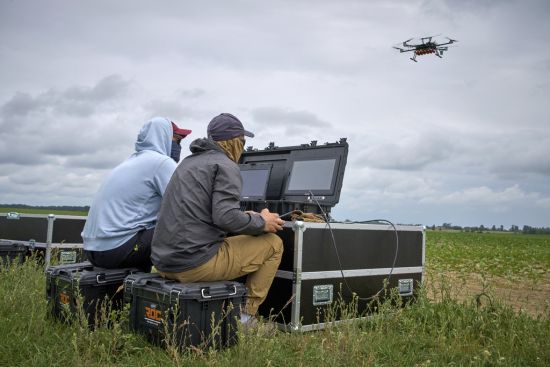
One of the clearest examples is Ukraine’s large-scale deployment of interceptor drones to counter Russian Shahed attacks. These systems provide a significantly cheaper alternative to traditional air defense missiles and have demonstrated their effectiveness under real combat conditions. Ukrainian digital battlefield management platforms have also received praise from Western military officials for integrating intelligence from drones, satellites, and ground sensors into a unified operational picture.
This experience is now beginning to shape European defense cooperation. Joint Ukrainian-European drone production projects have already been launched, while several European initiatives aimed at developing low-cost autonomous defense systems explicitly draw on technologies and operational concepts tested by Ukraine during the war.
Europe’s strategic autonomy may ultimately depend less on the size of its defense budget than on how successfully it integrates Ukraine’s technological expertise into its own industrial and military architecture. Rather than being only a recipient of military assistance, Ukraine is increasingly becoming a contributor to Europe’s future defense capabilities.
As Brussels continues to invest in rearmament, the challenge will be translating financial resources into genuinely independent military capabilities. The growing partnership between European industry and Ukraine’s defense sector suggests that many of those capabilities are already being developed—not only in European capitals, but on the battlefields where they have been tested under the most demanding conditions.
Read the full article by Ihor Petrenko, Founder of the United Ukraine Think Tank and Doctor of Political Science.