Today at 19:28

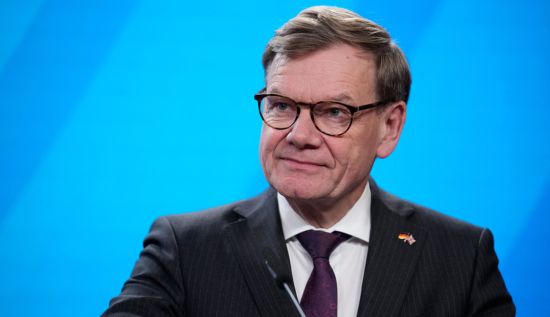
NATO allies will further strengthen the protection of the Baltic Sea, critical infrastructure and key supply routes against Russia’s hybrid activities, including threats linked to Moscow’s so-called shadow fleet, German Foreign Minister Johann Wadephul said during a visit to Finland, UATV English reports.
According to Germany’s Foreign Ministry, Wadephul said NATO would continue reinforcing its Baltic Sentry mission to counter Russia’s growing hybrid operations in the region.
“We will not allow Moscow to turn critical infrastructure into a target or endanger supply routes, including through its aging shadow fleet. That is why we, as NATO partners, will continue to strengthen the Baltic Sentry mission,” Wadephul said.
The German foreign minister’s talks in Helsinki focused on support for Ukraine, Russian hybrid threats, security in the Baltic Sea region and German-Finnish cooperation within NATO and the European Union.
“Europe’s security is not defended only in Ukraine today. It is also determined at the Finnish-Russian border, in the Baltic Sea and during European elections—wherever Russia seeks to exert malign influence and divide our societies,” he said.
Berlin said Russia employs a broad range of hybrid tools, including sabotage, cyberattacks, disinformation campaigns, GPS jamming and attacks targeting critical infrastructure. Persistent disruptions to satellite navigation in the Baltic region and incidents near Finland’s border have directly affected NATO and EU territory, the ministry added.
During his visit, Wadephul is scheduled to inspect the Vaalimaa border crossing on the Finnish-Russian frontier, which has been closed to passenger traffic since 2023, and review Finland’s civil defense and reserve force systems.
The German minister will also board the Finnish patrol vessel Turva to examine measures protecting critical infrastructure and maritime security in the Baltic Sea.
Wadephul is also expected to hold talks with Finnish Foreign Minister Elina Valtonen on continued support for Ukraine and strengthening European security.