Today at 23:05

Recent signals from the White House about restoring pressure on Russian oil exports have renewed debate over the effectiveness of energy sanctions and whether Washington can re-establish the credibility of one of its most powerful economic tools against Moscow.
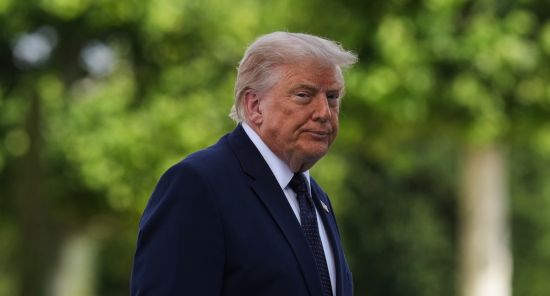
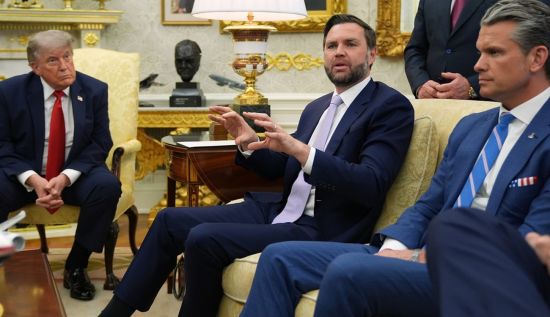
During the G7 summit, President Donald Trump indicated that sanctions eased during the conflict in the Persian Gulf could be tightened again as global oil supplies stabilized. The announcement suggested a return to stronger pressure on Russia’s energy revenues, long regarded as a critical source of funding for the Kremlin’s war effort.
The article argues that the effectiveness of such a policy depends less on new announcements than on the consistency of enforcement. Temporary sanctions relief introduced during the disruption of shipping through the Strait of Hormuz helped stabilize global energy markets but also allowed additional Russian oil to reach international buyers, increasing Moscow’s export revenues at a time of heightened geopolitical tension.
According to the analysis, sanctions are most effective when markets view them as predictable and durable. Frequent policy adjustments driven by short-term energy concerns can weaken deterrence by encouraging buyers and exporters to anticipate future exemptions whenever oil prices rise.
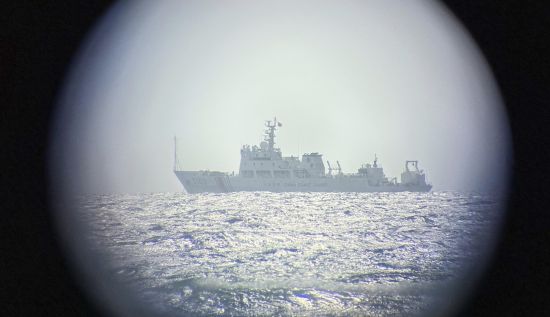
The discussion also highlights the importance of existing enforcement mechanisms, including the G7 price cap on Russian oil, restrictions targeting the so-called shadow fleet, and secondary sanctions affecting companies involved in transporting or purchasing sanctioned crude. These measures, rather than broad political declarations alone, remain the primary instruments for limiting Russia’s energy income while maintaining stability in global oil markets.
The article concludes that close coordination between the United States and its European partners will be essential if renewed sanctions are to have a lasting impact. Sustained enforcement, rather than intermittent pressure, will determine whether Western governments can restore the credibility of their energy policy and continue constraining Russia’s ability to finance the war.
Read the full article by Dmytro Levus, foreign policy expert and analyst at the Kyiv-based United Ukraine Think Tank.