Today at 18:07

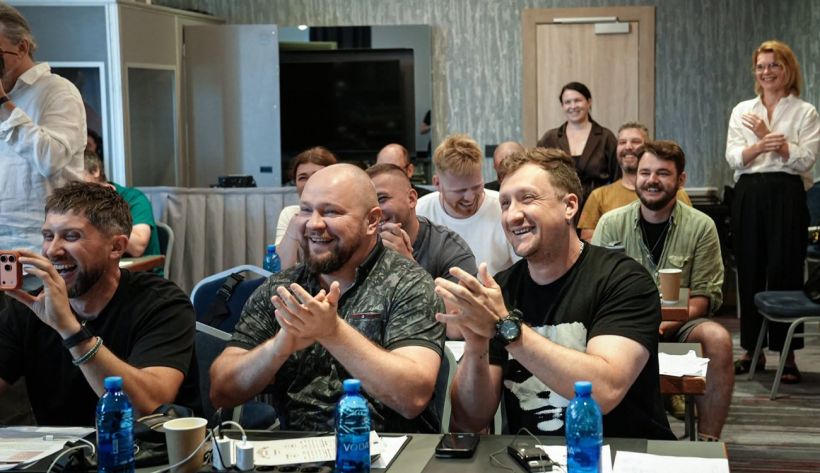
Representatives of the communications units of the Ukrainian Defense Forces, who are undergoing training under the Content Production Specialists Program within the Strategic Communications Program implemented as part of NATO’s Comprehensive Assistance Package for Ukraine with the support of StratCom Academy, visited the State Enterprise “Multimedia Platform of Ukraine’s International Broadcasting” (MPIU). During the visit, the participants learned about the work of the state broadcaster, its mission, international activities, and the specifics of producing content for foreign audiences.
The visit took place as part of a training module on media content production for service members of combat units, including videographers and photographers. The delegation included course instructors Melissa Preen, Director of INTREPID TV and a renowned war correspondent with many years of experience reporting from conflict zones, and Chris Hyde, an experienced military public affairs specialist with more than 26 years of military service.
The participants were introduced to the structure of MPIU, which includes the FREEДОМ and “Дім” TV channels, as well as the UATV and The Gaze digital platforms. They learned about the key areas of Ukraine’s international broadcasting, the principles of creating multimedia content for international audiences, its global distribution network, digital platforms, and cooperation with partners in various countries around the world.
A separate part of the program focused on production processes. The participants visited the studio of the English-language channel UATV English, where they observed the preparation and recording of the News Pulse current affairs program hosted by Henry Keen (the professional name of Hennadii Kurkin).
Henry Keen, UATV English host and lecturer at StratCom Academy, introduces participants in the training course to documentary filmmaking, the specifics of international journalism, the principles of producing documentary content, and covering events for global audiences. He also shares his practical experience in international journalism.
“As the host of UATV English, I work every day to ensure that stories about Ukraine are understandable and compelling for international audiences. That is why it was important for me to show StratCom Academy participants how this content is created—from editorial planning to broadcast. For strategic communications professionals, this is an opportunity to better understand how information becomes a tool for supporting Ukraine around the world and why professional cooperation between journalists and military communicators is especially important today,” Henry Keen said.
Following the meeting, the parties agreed to continue cooperation between Ukraine’s international broadcasting and the communications units of the Ukrainian Defense Forces. Ukraine’s international broadcasting is already actively cooperating with Defense Forces communications units in organizing the work of correspondents on the front line and in frontline areas.
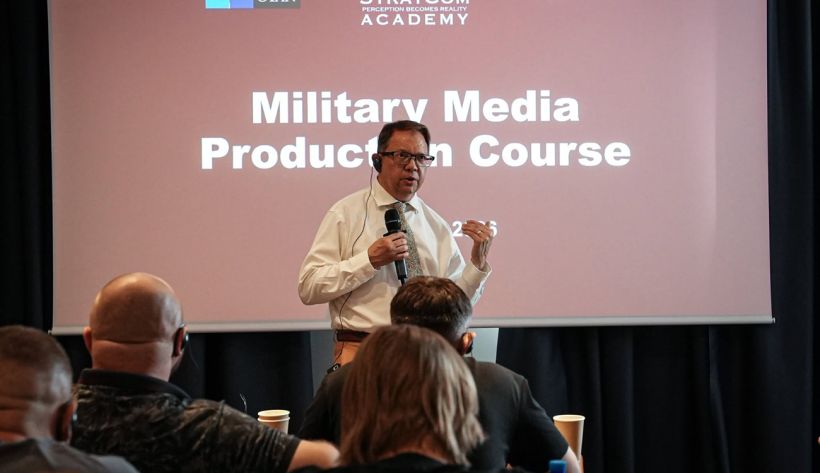
The training program is part of NATO’s comprehensive initiative to train Ukrainian public affairs officers and other strategic communications professionals from combat brigades. It is being implemented directly in Ukraine in cooperation with the Ministry of Defense of Ukraine and with the support of the NATO Representation to Ukraine.
The project is designed to run for several years and aims to establish a sustainable system for training military communicators in Ukraine. The program contributes to the development of professional military communications, enhances interoperability with NATO, and strengthens institutional capacity in the field of strategic communications. The training programs introduced have already been included in the Ministry of Defense of Ukraine’s Professional Development Catalogue and, over the coming years, will be implemented directly at Ukrainian military educational institutions with the prospect of obtaining NATO certification.
According to the NATO Representation to Ukraine, Ukraine has gained unique experience in strategic communications during the full-scale war. The program is intended not only to strengthen the capabilities of Ukrainian institutions but also to facilitate the exchange of practical experience and lessons learned between Ukraine and NATO member states.