Yesterday at 23:58

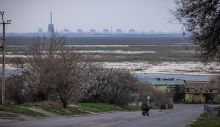
Forty years ago, on April 26, 1986, the largest man-made catastrophe in human history occurred. During a fatal experiment at the fourth reactor of the Chornobyl Nuclear Power Plant, two explosions were heard. A cloud of radioactive dust was released into the Earth’s atmosphere. The lessons of the Chornobyl disaster and today’s challenges were analyzed by UATV English.
Workers of the plant emphasize that the area around the reactor remains contaminated, and staying there for a long time is prohibited. The FREEДОМ TV crew was allowed to work there for no more than 10 minutes.
According to scientists, about 11 tons of nuclear fuel were released into the atmosphere after the accident, causing large-scale radioactive contamination across much of Europe. Belarus, Austria, Germany, Netherlands, United Kingdom, Poland, Latvia, and Finland were affected.
In Ukraine, 81 settlements became completely deserted. Among them is Prypyat — once a modern city of energy workers and scientists, now a ghost town. In 1986, 44,500 people were urgently evacuated from there.
People were evacuated by buses within just a few hours. At the same time, about 5,000 people remained in Pripyat to carry out urgent liquidation work.
In the first days, about 8.5 million people were affected by radiation exposure.
More than 600,000 liquidators were involved in dealing with the disaster. It was they who, at the cost of their own health and lives, stopped the spread of the catastrophe. Many died in the following months due to radiation exposure. The consequences for their bodies were devastating.
“The tragedy at the station took many lives. People sacrificed themselves to save others,” recalled liquidator Ivan Pavlovskyi.
The disaster was accompanied not only by radiation release but also by actions of the Soviet authorities, who tried to conceal its consequences. Information was tightly controlled, and people were not warned about the real danger. Even after the accident, residents were sent to mass events, including May Day demonstrations.
An official announcement appeared only 36 hours later. On April 27, residents of Pripyat were informed of a so-called temporary evacuation and told to take only essential belongings. They were assured it would last three days — but they never returned home.
A quarter of Prypyat’s population were children. The city had kindergartens, schools, cultural and sports facilities, and even an amusement park. After the disaster, all of this was abandoned, and residents faced severe health consequences.
After the explosion, a sarcophagus was built over the destroyed reactor. Later, a new safe confinement structure was constructed to fully protect against radiation. Following independence in 1991, Ukraine faced the challenge of replacing the Soviet structure. Construction of the new confinement began in 2012 and it was put into operation in 2019.
However, decades later, risks remain. In 2022, after the full-scale invasion, Russian troops occupied the Chornobyl site and took staff hostage. According to plant workers, safety rules were violated during the occupation.
After more than a month, Russian forces withdrew, leaving behind damage and looted facilities.
In 2025, risks escalated again. On February 14, a strike drone hit the protective dome over the destroyed reactor, damaging its integrity. Ukrainian authorities warned the international community about the growing danger.
According to experts, thousands of kilograms of highly radioactive material remain under the structure. In case of collapse, radioactive particles could spread beyond the confinement. The European Bank for Reconstruction and Development estimates that full restoration may take until 2030 and cost about €500 million.
Experts stress that such facilities were not designed to withstand military strikes. Even 40 years after the disaster, the danger remains if the structure is damaged.
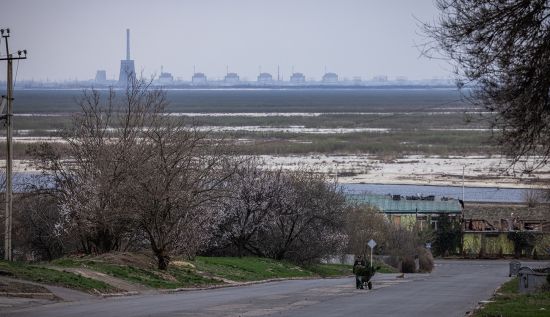
Russian violations at nuclear facilities are not limited to Chornobyl. The Zaporizhzhia Nuclear Power Plant, occupied since 2022, also remains at risk. According to International Atomic Energy Agency, heavy military equipment is present at the site, and repeated shelling has led to power outages.
During such outages, emergency diesel generators operate at their limit to maintain safety.
“We need peace. No nuclear power plant can operate under threat of violence or attack,” said IAEA Director General Rafael Grossi.
Forty years later, Chornobyl remains a reminder that nuclear threats have not disappeared. Back then, they were concealed; today, they are targeted. Ukraine is doing everything to prevent another catastrophe, strengthening protection and calling for an end to attacks on critical infrastructure. Meanwhile, continued military presence at nuclear sites increases the risk of disaster — showing that the lesson of Chornobyl has not been learned in Moscow.