Yesterday at 23:58

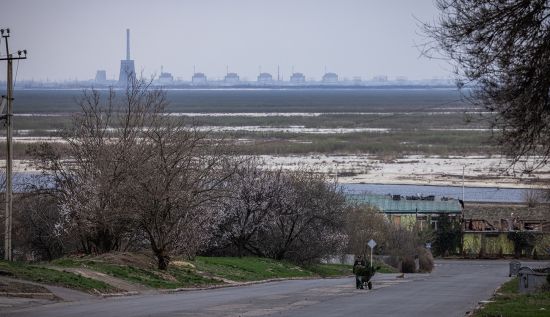
Ukraine has disrupted Russia’s latest attempt to connect the Russian-occupied Zaporizhzhia Nuclear Power Plant (ZNPP) to the Russian electricity grid after Ukrainian drone strikes damaged critical infrastructure, according to a new analysis by Greenpeace Ukraine, UATV English reports.
Based on high-resolution satellite imagery collected between January and July 2026, Greenpeace said Russia has been constructing a new high-voltage transmission line along the M18 highway linking occupied Melitopol in the Zaporizhzhia region with Henichesk in the occupied part of the Kherson region.
According to the report, the power line is a key element of Moscow’s long-term plan to disconnect the Zaporizhzhia plant from Ukraine’s power system and integrate it into the electricity networks of occupied territories, including Crimea, as well as southern Russia.
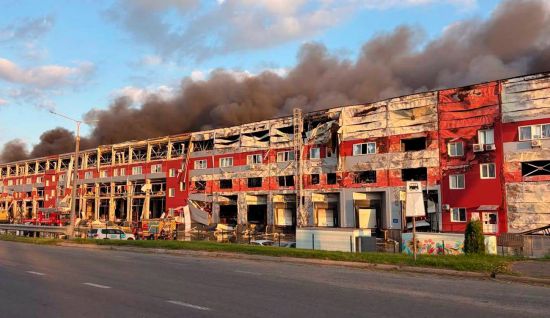
Greenpeace said construction was nearly complete in May but was disrupted by repeated Ukrainian drone strikes, including an attack on a substation in Henichesk in early July.
The organization argues that the project is intended not only to support Russian military logistics and industry in occupied southern Ukraine but also to enable the transfer of electricity generated at the seized nuclear plant to occupied territories and Russia.
Greenpeace also criticized International Atomic Energy Agency (IAEA) Director General Rafael Grossi, claiming his public statements about the possible restart of the plant’s reactors under Rosatom’s management risk reinforcing Russian narratives without emphasizing that Russia’s occupation of the facility itself constitutes a fundamental violation of international nuclear safety and security principles.
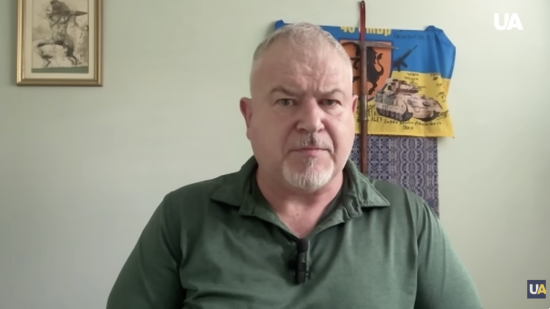
“Russia has used its occupation of the Zaporizhzhia Nuclear Power Plant as an instrument of nuclear terror against Europe since 2022,” Greenpeace Ukraine nuclear specialist Jan Vande Putte said. He argued that Moscow has failed to achieve its broader objectives at the plant and is likely to continue facing setbacks in its attempts to reconnect the facility to the Russian grid and restart its reactors.
Greenpeace warned that the ongoing occupation continues to pose serious nuclear safety risks. The organization said any loss of external power or reactor cooling systems, particularly those serving spent nuclear fuel storage pools, could lead to a major radioactive release.
The environmental group has monitored Russia’s efforts to integrate the occupied plant into its energy system since 2023 and maintains that the Zaporizhzhia Nuclear Power Plant remains a Ukrainian facility under international law despite Russia’s continued occupation.
Read Also: Ukraine’s Wartime Experience Invaluable for European Allies, Says Former Polish DM