Yesterday at 20:06
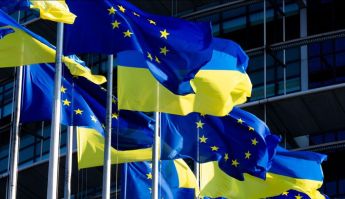
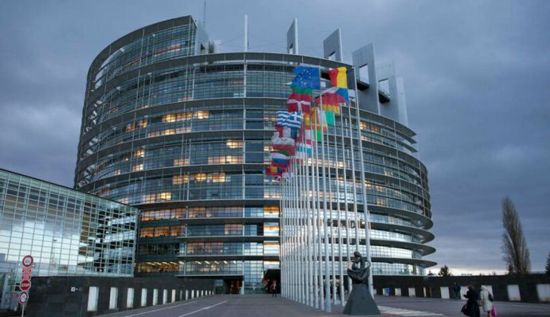
All 27 EU member states have agreed to open the first cluster of accession negotiations with Ukraine and Moldova.
The announcement was made by the European Commission, UATV English reports.
“Today, we are launching negotiations on the backbone of the accession process: justice, freedom, and fundamental rights. We have seen the hard work these countries have undertaken, and we are rewarding it with a clear path forward. Enlargement is our strategic choice. It is our best investment in a shared future of peace, security, and prosperity,” the Commission said in a statement.
Ukrainian Foreign Minister Andrii Sybiha joined the EU Council meeting online and thanked all 27 member states for their support.
He stressed that “the best response to Russian terror will be Ukraine’s full membership in the European Union,” adding that the next immediate goal is to open the remaining five negotiation clusters.
“I am currently traveling from Ukraine to Moldova. Both of our countries are entering the next stage of our journey toward Brussels. In the coming hours, we will open a new chapter in our shared history,” Sybiha said.
European Commission President Ursula von der Leyen said she would meet with Ukrainian President Volodymyr Zelenskyy on June 16.
“We are anchoring Ukraine in Europe. Today, we opened the first cluster of EU accession negotiations. This is a huge step forward. Ukraine has made remarkable progress on reforms. They have delivered, and now we must deliver as well,” von der Leyen said.
Although all 27 EU member states ultimately approved the move, the process had previously been blocked by Viktor Orbán, whose government repeatedly opposed advancing Ukraine’s accession process.
Following Hungary’s recent parliamentary elections, the new government led by Péter Magyar signaled a more pragmatic approach. While not openly endorsing Ukraine’s membership, Magyar has indicated that Budapest’s support for the negotiation process depends on expanded rights for Hungary’s ethnic minority in Ukraine.
Earlier, the Financial Times reported that Hungary had lifted its veto, clearing the way for the formal launch of accession negotiations with Ukraine and Moldova.
Read also: Macron: One of the goals of the G7 Summit is to increase pressure on Russia