Today at 14:19
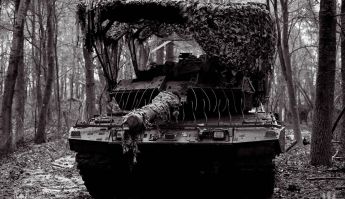
The battlefield in Ukraine has become so “transparent” that neither Russia nor Ukraine is currently capable of conducting large-scale operational maneuvers, according to Belgian defense expert Roger Housen.
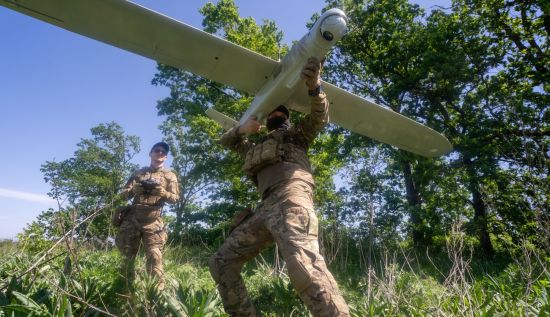
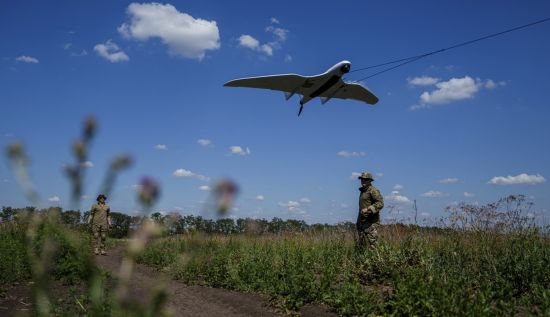
In an interview with Ukrinform, Housen argued that the combination of modern surveillance technologies, drones, and persistent reconnaissance has fundamentally changed the nature of warfare and significantly reduced the possibility of major breakthroughs along the front.
“Neither the Russians nor the Ukrainians will be able to significantly push back their opponent in the coming months,” Housen said.
According to the expert, Ukraine faces limitations stemming from shortages of manpower, armored vehicles, infantry fighting vehicles, and artillery needed to conduct large-scale offensive operations. Russia, meanwhile, faces different but equally significant obstacles.
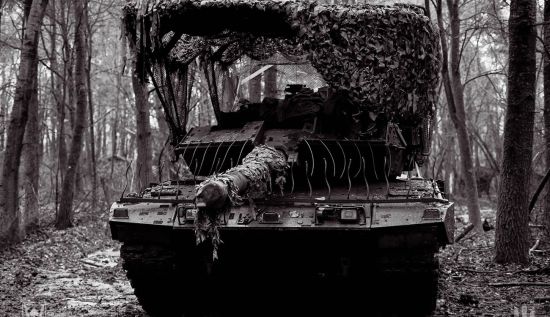
“On the Russian side, strong defensive positions combined with extensive kill zones protected by unmanned systems make major advances extremely difficult,” he explained.
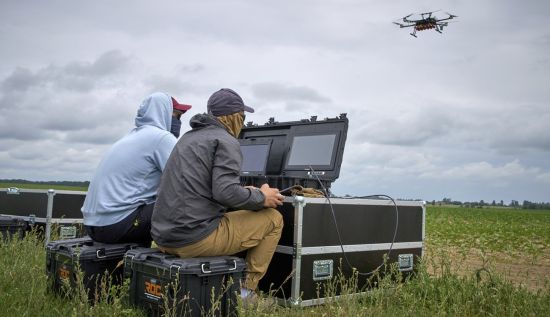
Housen identified the growing transparency of the battlefield as one of the defining features of the war. Constant surveillance by drones, satellites, sensors, and reconnaissance systems means that troop movements are detected far more quickly than in previous conflicts.
“The battlefield has effectively become transparent. This is the primary reason why large-scale offensives are so difficult. At present, neither side is truly capable of conducting them successfully,” he said.
As a result, the conflict has increasingly shifted away from attempts to achieve decisive operational breakthroughs and toward efforts to degrade the enemy’s ability to sustain the war.
According to Housen, Ukraine has therefore focused on what military strategists describe as the adversary’s “center of gravity” — the critical assets that enable Russia to continue military operations.
He pointed specifically to strikes against Russia’s defense-industrial sector and energy infrastructure.
“Ukraine is targeting the Russian military-industrial complex as well as oil and gas facilities. That is the most effective way to increase pressure on the Kremlin and ultimately force Putin to come to the negotiating table,” Housen said.
His assessment comes amid ongoing discussions about possible ceasefire arrangements and mechanisms for monitoring compliance along the front line.
Ukrainian President Volodymyr Zelenskyy has repeatedly argued that any ceasefire would require a robust verification and monitoring mechanism, warning that Russia could exploit unmonitored areas between opposing forces to violate agreements without immediate consequences.
Earlier, Zelenskyy stated that during discussions in Abu Dhabi, the United States expressed readiness to participate in monitoring a future ceasefire if an agreement on its implementation is reached.
Housen’s remarks underscore how technological developments—particularly the widespread use of drones and real-time reconnaissance—have transformed the battlefield, making concealment increasingly difficult and reshaping the conduct of modern warfare.
Read also: Kos hopes all accession negotiation clusters with Ukraine can be opened in July