Today at 23:02

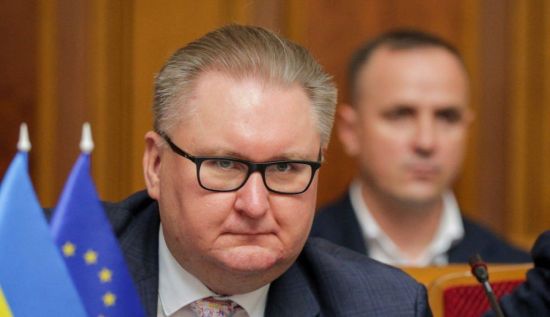
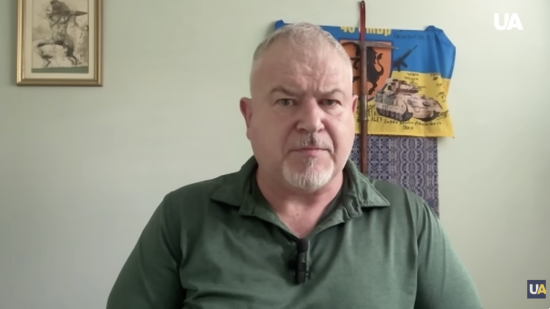
Renowned French political philosopher Nicolas Tenzer gave an exclusive interview to UATV on the sidelines of the Kyiv Security Forum. Tenzer presents an uncompromising thesis: supporting Ukraine is not an act of charity, but the only way to save Western civilization from the new “axis of evil” (Russia, Iran, North Korea, China).
The philosopher emphasizes the necessity of a “Nuremberg 2” for Putin and the inevitability of the Russian people’s collective guilt. In this episode: why freedom is worth more than taxes, how European consciousness has evolved, and why peace is impossible without Russian repentance.
– Thank you very much for joining us. You once argued that this is also a war for Western people and taxpayers. How do you explain to an average taxpayer in the West that Ukraine’s victory is a better deal than paying the catastrophic price of a future war with a triumphant Russia?
Guest: First of all, this is primarily Ukraine’s war, because Ukrainians are fighting for their own freedom and security. They are on the front line, fighting a war that others were not willing to fight. But this is not only a territorial war—it is a war about principles. It is also a war against a broader threat that Russia poses to all European societies.
So I would say to Western taxpayers: if you do not support Ukraine, if you are not willing to confront this threat now, then you risk losing your own freedom, your way of life, and your prosperity.
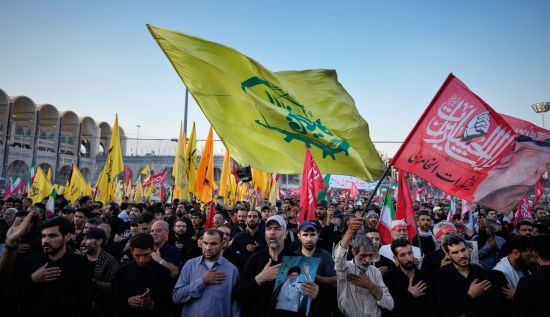
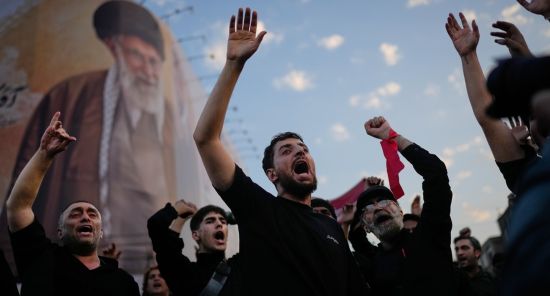
And this is not only about Europe—it concerns Asia as well, including countries like Japan, South Korea, and Taiwan. This is a global confrontation between democratic nations and authoritarian regimes such as Russia, Iran, North Korea, and China.
– Do you think we are doing better now on the information front compared to four years ago? Is the message getting through?
– Yes, absolutely. There has been significant progress. Before 2022, many people in cities like Paris, Berlin, Madrid, or Rome were not even aware that a war had been ongoing since 2014.
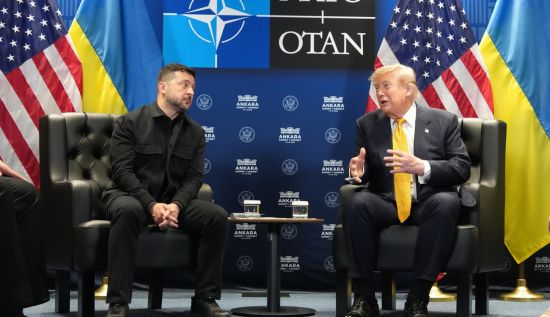
Now, public opinion clearly recognizes Russia as a threat and understands the need to support Ukraine. However, while awareness has increased, many people are still not ready to fight themselves. Therefore, at the very least, they must support those countries that are assisting Ukraine.
That said, European leaders must communicate more clearly and consistently. They need to speak openly—every day—about war crimes, crimes against humanity, genocide, and aggression committed by Russia. They must show the reality, including the human cost, and be explicit about the scale of the threat.
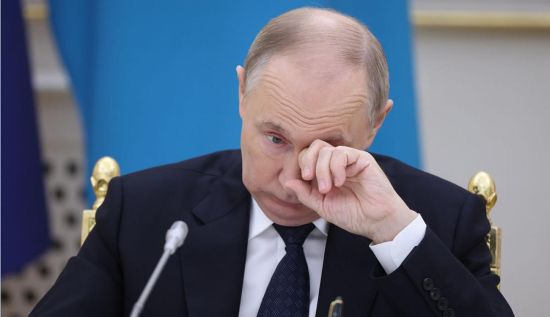
– Do you believe that Vladimir Putin will be held accountable for his actions?
– He must be. He and those responsible with him must face justice. If we want to remain faithful to the principles established after Nuremberg Trials, there can be no impunity. Those responsible must be brought before a court, and accountability must be pursued wherever they are. If we turn a blind eye or allow any form of amnesty, we undermine the very principles Europe stands for.
Beyond legal accountability, there is also a broader issue. Russian society must eventually confront the consequences of these actions. The idea of collective responsibility, discussed by thinkers like Karl Jaspers after World War II, may become relevant. Acknowledging responsibility is essential for any long-term resolution. History shows that societies must come to terms with past crimes in order to move forward.