Yesterday at 20:06

Armenia is holding parliamentary elections today, June 7, with voter turnout reaching nearly 15% by midday. Voting is not being conducted abroad, and the first election results are expected to begin arriving around 11:00 p.m. local time, UATV English reports.
According to FREEДOM correspondent Nikita Skoblikov in Yerevan, polling stations are experiencing a noticeable increase in voter activity.
“One of the polling stations we visited is located in a school gymnasium. There is a significant flow of people here. Voters hold different views, but most have already decided on their political preferences and know which parties they support,” the correspondent reported.
Data from the Central Election Commission of Armenia show that approximately 15% of eligible voters had cast their ballots by that point. For comparison, turnout at the same stage reached about 12% in 2021 and around 8% in 2018, indicating higher participation in this election.
Many voters in Yerevan said they want a stable, peaceful, and prosperous future for the country.
“Today I voted for our future — for a better life, so that we can live peacefully and with dignity under normal conditions,” one voter said.
Prime Minister Nikol Pashinyan also cast his ballot in Yerevan. Speaking to journalists afterward, he said he would respect the will of the Armenian people.
“Whatever the people decide, I will accept. My expectation from these elections is the free expression of the citizens’ will. I am confident that the citizens of Armenia will be the winners. Democracy always works in favor of regional and international cooperation, and democracy is a tool for peace in the region,” Pashinyan stated.
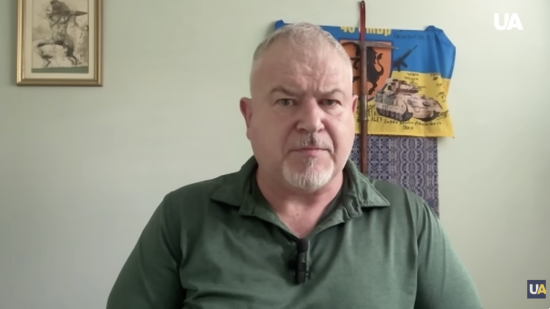
Political analyst Armen Manasyan told FREEДOM that Armenia’s long-term trajectory toward Europe is unlikely to change regardless of the election outcome.
“Sooner or later, Armenia will become integrated into the European community. Moscow may not like this, but Yerevan is not doing anything to harm Russia. This integration should not bring the negative consequences that some portray. Moscow must understand that the old reality is not coming back,” Manasyan said.
He added that no dramatic shift in Armenia’s foreign policy should be expected immediately after the election, but the country’s course toward European integration and closer ties with Western partners is already underway.
A total of 18 political forces — including 16 parties and two electoral blocs — are competing in the elections. At least 101 seats in parliament will be filled. Many observers have described the vote as one of the most consequential elections in Armenia’s modern history.