Yesterday at 20:06

US lawmakers are moving forward with a bill that would provide new assistance to Ukraine and impose additional sanctions on Russia. The House of Representatives has backed a procedural petition that clears the way for consideration of a new Ukraine support package, including $1.3 billion in security assistance and up to $8 billion in loans.
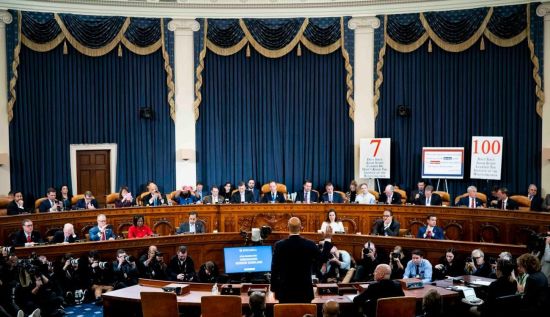
On June 3, the US House of Representatives voted to continue consideration of The Ukraine Support Act, legislation that would provide new military aid to Ukraine and introduce tougher sanctions against Russia.
The development was announced on X by Republican Congressman Don Bacon, UATV English reports.
The move marks the first major pro-Ukraine initiative in Congress since Donald Trump returned to the White House.
House members approved the procedural measure by a vote of 218 to 204, paving the way for a final vote on the bill.
“The House just voted 218–204 to bring forward legislation providing military assistance to Ukraine and imposing tough sanctions on Russia,” Bacon wrote.
According to the congressman, a vote to formally approve consideration of the bill is expected on June 4.
“This is our Churchill moment, and we must rise to meet it,” he emphasized.
The Ukraine Support Act was introduced by Democratic Congressman Gregory Meeks. The legislation would authorize up to $8 billion in military loans for Ukraine, extend the Ukraine Security Assistance Initiative (USAI) through 2027, and impose additional sanctions on Russia.
The House must still hold two votes: one on the rules governing consideration of the legislation and another on the bill itself. If approved, the measure will be sent to the Senate.
In the Senate, the bill will first be reviewed by the relevant committees before being brought to the floor for a vote. While a simple majority is required for passage, overcoming a potential filibuster — a procedure used to delay or block legislation — would typically require at least 60 votes.
The final stage would be a decision by President Donald Trump, who could either sign the bill into law or veto it. If the president exercises his veto power, Congress could override it only with the support of a two-thirds majority in both chambers.
Earlier, in April, lawmakers introduced a bipartisan bill aimed at countering Russia’s war against religious freedom.
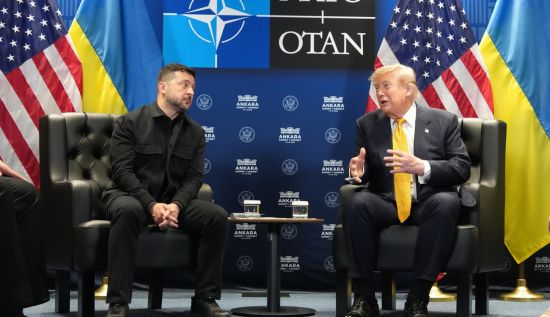
It is also worth noting that Ukrainian President Volodymyr Zelenskyy recently sent a letter to President Donald Trump and members of Congress highlighting Ukraine’s shortage of air defense systems.
Democratic Senator Richard Blumenthal said that the United States would respond to the Ukrainian president’s appeal.
Read also: Ukraine-NATO relations gaining new momentum ahead of Ankara summit — Sybiha