Today at 11:03

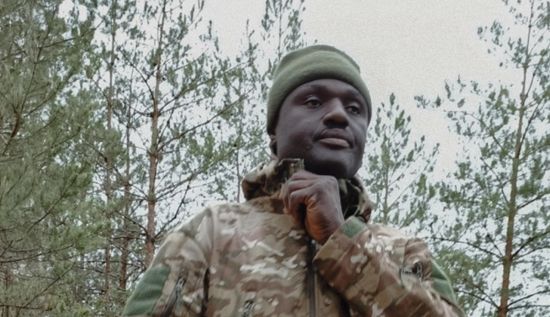
Ukraine’s military intelligence says Russia continues to recruit foreign nationals to fight in its war against Ukraine, citing a newly intercepted conversation between Russian servicemen that allegedly involved two mercenaries from Bangladesh.
According to UATV English, the Main Intelligence Directorate (HUR) of Ukraine’s Ministry of Defense published the intercepted audio on Facebook.
“This is further evidence of Russia’s use of foreign mercenaries in its criminal war against Ukraine. Military intelligence intercepted a conversation involving a Russian occupier in the Kharkiv region who discovered two frightened Bangladeshis hiding in a wooded area,” the HUR said.
In the recording, one Russian serviceman tells a fellow soldier that the two men appeared disoriented and had been wandering for several days.
“Roma, they don’t know anything. They don’t even know their call signs. They’re from Bangladesh, two of them. Someone named Rubi and Moisel. They’re showing me a patch with a tiger on it that says ‘6th Assault.’ They keep showing me a photo of the tiger patch. It says ‘6th Assault.’ They’ve apparently been wandering around for three days—they got lost,” the serviceman says in the intercepted conversation.
According to the HUR, the incident illustrates what it describes as Russia’s continued reliance on foreign recruits.
“The leaders of the Russian occupation army continue to send foreign mercenaries to their deaths just as cynically as they do their own soldiers,” the intelligence agency stated.
The interception follows previous reports documenting Russia’s recruitment of foreign nationals for its military campaign.
According to a report by the International Federation for Human Rights (FIDH) and the Ukrainian human rights organization Truth Hounds, Russia has recruited at least 27,000 foreign nationals from more than 130 countries to fight against Ukraine, excluding North Korean troops. The report says the largest number of recruits came from Central Asian countries, while significant numbers were also recruited from South Asia, Africa, and Latin America.
Read also: Bundestag Lawmaker: No Interim Status Can Replace Ukraine’s Full EU Membership