Today at 20:06
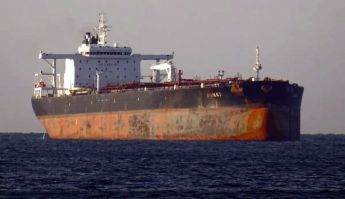
German and French lawmakers are seeking stronger measures against Russia’s so-called shadow fleet, including stricter inspections and the possible detention of vessels that violate international regulations, UATV English reports, according to the German news agency dpa.
The initiative is backed by representatives of Germany’s Christian Democratic Union (CDU), Christian Social Union (CSU), Social Democratic Party (SPD), and the opposition Alliance 90/The Greens.
Under the proposal, European governments would increase monitoring and enforcement efforts against vessels suspected of helping Russia circumvent international sanctions. The lawmakers also call for greater diplomatic pressure on countries whose flags are used by ships operating within the shadow fleet.
According to the draft document, the fleet represents not only a geopolitical challenge but also a significant environmental and security risk.
Many of the vessels involved are reportedly aging tankers with questionable maintenance records that do not fully comply with international maritime standards. Lawmakers warn that such ships increase the risk of accidents, environmental damage, and threats to maritime safety.
The document also raises concerns that some vessels associated with the shadow fleet may have been involved in sabotage or espionage activities targeting critical infrastructure.
Jürgen Hardt, a senior CDU foreign policy expert, argued that the issue extends beyond sanctions enforcement.
“Russia’s shadow fleet threatens both the effectiveness of sanctions and the security of Europe and its critical infrastructure,” Hardt said, calling for a coordinated European response.
Anton Hofreiter of the Greens echoed those concerns, emphasizing the economic importance of the shadow fleet for Moscow.
According to Hofreiter, the network of vessels provides Russia with a steady source of revenue by enabling continued exports of oil and other commodities despite Western restrictions.
“The shadow fleet helps finance Russia’s war against Ukraine while simultaneously creating security risks for Europe,” he said.
Russia has increasingly relied on a network of tankers and shipping companies operating outside traditional regulatory frameworks to bypass sanctions imposed after the full-scale invasion of Ukraine. These vessels often use complex ownership structures, flag changes, and opaque insurance arrangements to continue transporting Russian oil to global markets.
European governments have intensified efforts to counter these activities as part of broader sanctions enforcement measures.
The initiative by German and French lawmakers follows recent actions by the United Kingdom. On June 16, London announced a new package of sanctions targeting dozens of vessels linked to Russia’s shadow fleet, as well as liquefied natural gas tankers and financial networks used to evade Western restrictions.
The proposed Franco-German measures reflect growing concern within Europe that Russia’s shadow fleet has become not only a sanctions-evasion mechanism but also a broader challenge to maritime security, environmental protection, and the effectiveness of international pressure on Moscow.
Read also: Russia’s Military Spending Reaches 48% of State Budget: Rutte Urges NATO to Strengthen Deterrence