Today at 22:07

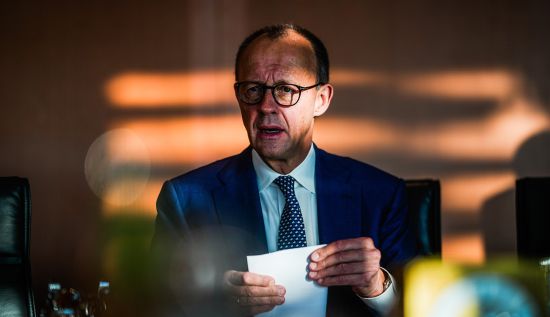
German Chancellor Friedrich Merz said Ukraine is now negotiating from a position of strength and that Russia is beginning to understand it cannot achieve victory on the battlefield.
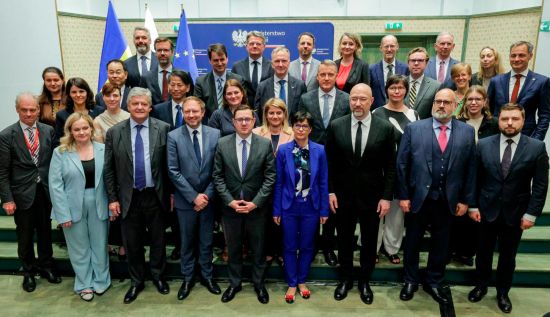
Speaking at the opening of the Ukraine Recovery Conference (URC 2026) in Gdańsk, Merz stressed that continued military and civilian support for Ukraine remains essential. He said recent meetings, including the G7 summit, the European Council, and the E5 meeting in Berlin, demonstrated renewed European and transatlantic unity behind Ukraine, UATV English reports.
“Ukraine and its brave people will prevail as a strong and sovereign nation and as a future member of the European family,” Merz said. “Today, Ukraine is in a new position of strength. Moscow is beginning to realize that Russia will not win this war. The time has come to start negotiations, freeze the front line, and stop the killing.”
The German chancellor reaffirmed Europe’s unwavering support for Kyiv and pledged to increase pressure on Russia’s already strained economy through additional measures.
Merz outlined four key areas where Europe is delivering tangible results for Ukraine: security, investment, reforms, and people.
He highlighted continued deliveries of advanced air defense systems and the emergence of German-Ukrainian joint ventures developing innovative defense technologies that strengthen both Ukraine and European security.
Merz also pointed to the launch of a new European flagship reconstruction fund, bringing together Germany, Poland, Italy, and France. The initiative starts with a public funding package of up to €220 million, designed to attract private investment into Ukraine’s infrastructure, energy, industry, and logistics sectors.
“Public funding alone will never be enough to rebuild a country that has suffered such massive destruction. We are creating the trust and risk-sharing mechanism private investors need to invest now,” he said.
The chancellor emphasized that Ukraine’s path toward EU membership requires continued reforms, particularly in strengthening the rule of law and combating corruption to maintain the confidence of citizens, international partners, and investors.
Merz also underlined the importance of preparing Ukraine’s energy sector for the coming winter and noted that the Alliance of Skills for Ukraine, launched in Berlin two years ago, has already mobilized €1.2 billion for vocational education and workforce development.
Reflecting on history, Merz recalled that World War II began near Gdańsk and noted that Germany and Poland had transformed decades of hostility into partnership. He said their experience demonstrates that even after profound historical tragedies, reconciliation and friendship are possible—an apparent appeal for Poland and Ukraine to continue building strong relations despite current tensions over historical issues.