Today at 11:43
Russia’s economy has entered what European intelligence services describe as an “explosive state” due to its transition to a wartime footing. According to an assessment reviewed by the German newspaper Frankfurter Allgemeine Zeitung (FAZ), a major sanctions package targeting Russian banks or a sustained drop in oil prices could act as the trigger for a broader economic crisis, UATV English reports.
According to the report, Russia’s banking sector faces particularly high risks. Intelligence analysts argue that bank balance sheets are “artificially inflated.”
To attract investors in a high-interest-rate environment, banks have lowered acceptable risk thresholds. At the same time, the mass issuance of state-subsidized mortgages has driven up real estate prices, creating the risk of a property bubble and a rise in defaults.
The report also states that banks are under additional pressure because they are being forced to absorb debts linked to partnerships between state and private entities in Russia’s regions. As a result, financial institutions are “compelled to cover losses from low-profit projects and difficulties faced by regional authorities in repaying debt.”
Another burden comes from “hidden debts” in the form of preferential loans that banks reportedly extended to defense enterprises “under pressure from the Kremlin.” These companies have what the report describes as “enormous financial needs.”
According to the assessment, warning signs in the banking sector became so severe last September that Russian authorities feared a potential banking crisis within the following twelve months, despite efforts by the Central Bank of Russia to keep the situation under control.
The report argues that Russia continues to create the appearance of a dynamic economy, even though “reality no longer corresponds” to that image.
Analysts note that banks’ loan portfolios are deteriorating as businesses struggle to service debt, while slower economic growth could accelerate corporate bankruptcies.
The state continues to support the defense industry, but civilian-sector enterprises are largely left to deal with refinancing challenges on their own.
Meanwhile, the Central Bank is finding it increasingly difficult to offset the economic consequences of the war against Ukraine, while political pressure on it is growing.
Central Bank Governor Elvira Nabiullina missed several public events in early June, including the St. Petersburg International Economic Forum and a government video conference chaired by Russian President Vladimir Putin. Officially, her absence was attributed to illness.
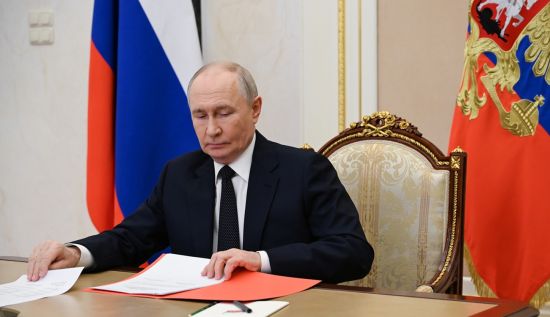
During a government meeting, Putin publicly called for a reduction in the key interest rate.
“Inflation is declining. What is it now? Slightly above five percent. I believe we have every right to expect a reduction in the key rate,” Putin said.
The report notes that both Putin’s intervention and the Central Bank’s response were unusual. One of Nabiullina’s deputies stated that inflationary pressure remains high and that room for further rate cuts is limited, particularly given that government spending remains elevated.
All of this comes as the war grows increasingly expensive for Russia. Government estimates from February indicated that military expenditures this year alone would exceed planned spending by at least €24 billion.
Earlier, Swedish military intelligence concluded that windfall oil revenues had failed to restore Russia’s economy, which remains under significant strain.
At the beginning of February, Germany’s Federal Intelligence Service assessed that Russia’s military spending may have reached half of the federal budget and approximately 10% of GDP in the previous year.
Meanwhile, Latvia’s Constitution Protection Bureau reported that Russian officials themselves acknowledge that sanctions have caused—and will continue to cause—substantial economic damage.
Read also: EU could open next negotiating clusters with Ukraine this summer — von der Leyen