Today at 11:47

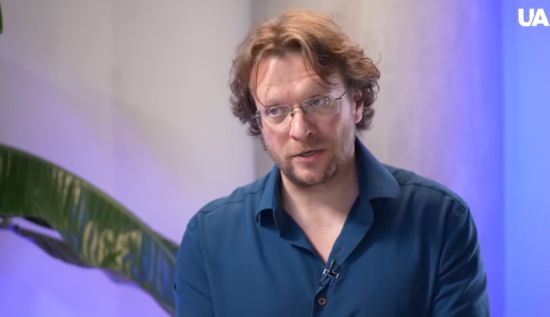
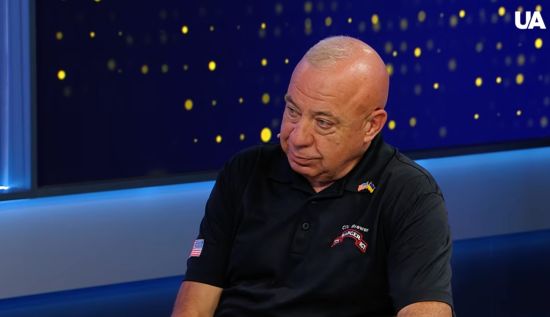
Ukraine should take proactive steps to reduce potential risks to its defense and economic resilience arising from political instability in Romania, according to international security expert and retired Major General Mykola Zentsev.
Speaking to Ukrinform, Zentsev emphasized that Romania occupies a strategically important position for Ukraine in several critical areas, including logistics, regional security, and European integration.
According to the expert, Romania has become one of Ukraine’s most important logistical partners since the start of Russia’s full-scale invasion. Following disruptions to traditional export routes, Romanian transport corridors and port infrastructure emerged as key channels for Ukrainian trade.
“Since 2022, Romania has served as one of the main gateways for Ukrainian agricultural exports. Large volumes of grain and other products have been transported through the port of Constanța and along the Danube corridor,” Zentsev said.
He noted that during certain periods, millions of tons of Ukrainian exports passed through Romanian infrastructure each month, although the exact share fluctuated depending on the availability of alternative routes.
Romania also plays a significant role in regional security as a frontline NATO member state on the Alliance’s eastern flank. Zentsev highlighted the country’s contribution to strengthening security in the Black Sea region and its involvement in military cooperation with Ukraine.
One example is the European F-16 Training Center at Romania’s Fetești Air Base, where pilots from several countries, including Ukraine, receive advanced flight training.
In addition, Romania’s position within the European Union gives it influence over decisions affecting Ukraine’s future integration with European institutions.
“As an EU member state, Romania participates in key decision-making processes. While enlargement decisions require unanimous approval from all member states, various forms of political and financial support for Ukraine may be adopted through other procedures depending on the specific mechanism involved,” Zentsev explained.
Given the current political uncertainty in Romania, the expert argued that Ukraine should continue diversifying its transport and logistics networks in order to avoid excessive reliance on any single route.
According to him, this could be achieved through the further development of Ukraine’s Danube ports in Izmail and Reni, modernization of the Basarabeasca–Berezne railway corridor through Moldova, and more extensive use of European Union logistics initiatives such as the Solidarity Lanes program.
“Ukraine should continue reducing dependence on individual transit corridors by investing in alternative infrastructure and strengthening cooperation with European transport networks,” Zentsev said.
The expert also stressed the importance of maintaining active diplomatic engagement with Romanian political institutions, government agencies, and civil society to ensure continued support for Ukraine regardless of domestic political developments.
At the same time, Zentsev noted that if political forces skeptical of assistance to Ukraine were to gain greater influence in Romania, Kyiv could rely on the long-term bilateral security cooperation agreement signed between the two countries on July 11, 2024.
The comments come amid ongoing political developments in Romania. On June 14, Romanian President Nicușor Dan nominated Adrian Veștea, chairman of the Brașov County Council and vice president of the National Liberal Party, for the post of prime minister after presidential adviser and Member of the European Parliament Eugen Tomac declined the mandate to form a government.
According to Zentsev, regardless of political changes, Ukraine should continue pursuing policies that strengthen the resilience of its defense, economic, and logistical systems while maintaining close cooperation with Romania and other regional partners.