Today at 15:01

According to EU officials, Ukraine could complete the technical stage of its accession negotiations in approximately four years, provided there is sufficient political will, The Guardian reports, as cited by UATV English.
At the same time, EU officials acknowledge that the final decision on membership is ultimately political. Ukraine must adopt thousands of EU laws and receive unanimous approval from all member states before joining the bloc.
Heather Grabbe, a senior fellow at the Bruegel think tank and former adviser on EU enlargement, said that the opening of the first negotiation cluster is highly significant.
“This is the beginning of the process of reaching an accession agreement. So it is very important.”
However, Grabbe warned that it will also be a “reality check” for Ukraine, as the adoption, implementation, and enforcement of EU legislation cannot be significantly accelerated and will require substantial effort.
She argued that the European Union needs Ukraine as much as Ukraine needs the EU. Grabbe proposed a “security first” approach, calling for Ukraine’s rapid integration into EU security and defense policies, where legislative requirements are comparatively less demanding.
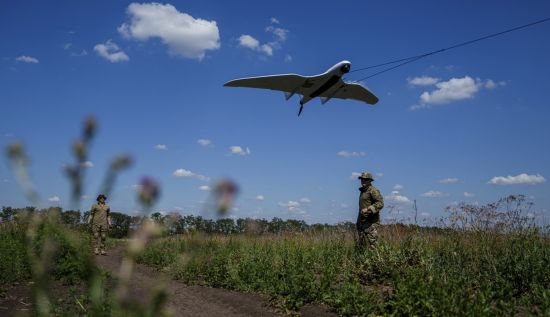
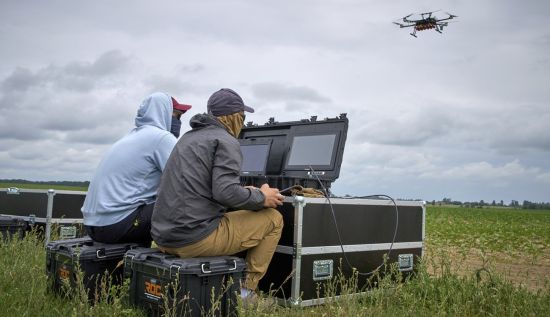
“Given that Ukraine is the most serious security and defense actor on the continent, the only country with battle-hardened troops and a substantial arsenal of effective weapons for a modern drone-dominated battlefield, the worst thing that could happen for European security would be for a future Ukrainian government to turn against the EU and become Eurosceptic.”
EU officials praised the reform efforts undertaken by both Ukraine and Moldova.
However, the article appears to contain a factual inconsistency regarding the claim that former Presidential Office head Andriy Yermak was recently named a suspect in a major corruption investigation. Yermak currently remains head of the Presidential Office, and no such publicly confirmed development is known.
According to EU assessments cited in the report, Ukraine has completed roughly 15% of the reforms included in a 10-point roadmap agreed between Marta Kos and Taras Kachka last December.
The roadmap includes measures to:
- strengthen the independence of National Anti-Corruption Bureau of Ukraine (NABU) and Specialized Anti-Corruption Prosecutor’s Office (SAPO);
- adopt a comprehensive anti-corruption strategy;
- reform procedures for appointing judges and prosecutors.
Grabbe stressed that while Ukrainians have no intention of returning to Russia’s sphere of influence, disappointment with the EU could have serious consequences for European security.
“They are not going back to Russia, but if they become disillusioned with the EU, it will be a catastrophe for European security.”
Last week, the Council of the European Union formally launched the process of opening Cluster 1: Fundamentals, the first negotiating cluster in Ukraine’s and Moldova’s EU accession talks. Intergovernmental conferences with both countries are scheduled to officially open the cluster.
Read also: Merz Proposes Associate EU Membership Model for Ukraine Ahead of Full Accession