Yesterday at 20:01

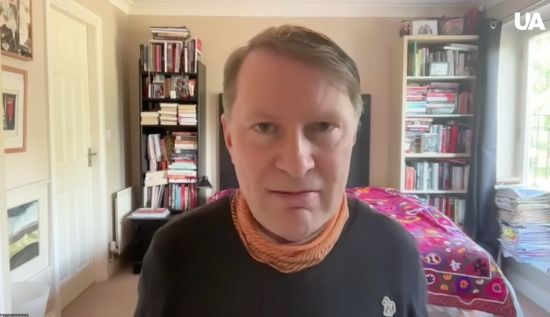
In this interview, we talk to Anna Danylchuk, journalist and host of the channel Anna from Ukraine.
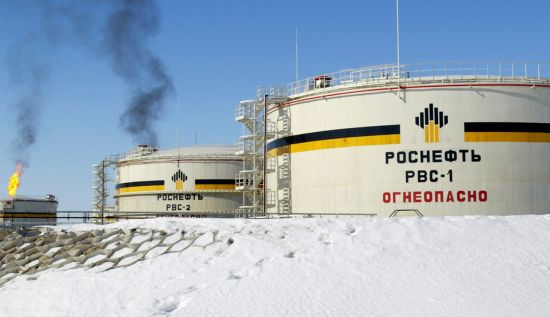
Ukraine is delivering systematic strikes on Russia’s strategic rear‑area targets — oil refineries, fuel depots, air‑defence bases and missile infrastructure — which are weakening Russian logistics and draining the Kremlin’s budget. Despite Donald Trump’s comments on Russian attacks, the expert believes his words carry no real weight without concrete action from the United States and its allies.
She also notes that a new Russian offensive would require additional mobilisation, which Putin fears due to the risk of protests and internal instability.
— How painful is the blow for the Russians? Are we talking about real losses for the budget, logistics, and fuel exports, or not so much?
— Yes, we are. And thank you for this question, because for years of Russia’s full-scale invasion we were focused on explaining Ukraine to the world. Now I feel that people understand more about us—our people, our strategy—but they know very little about the real problems inside Russia. And we need to change that.
We need to bring to the English-speaking world what Russian military and financial experts are saying on their local TV and online platforms, because it shows the bigger picture. Russia is an energy-dependent country—its income relies on oil and gas exports. It is not competitive in industries like cars or electronics. And now, after Ukrainian strikes and sanctions from the European Union and the United States, their federal budget has been seriously damaged.
What was particularly important is that when Russia briefly had a window of opportunity due to partial sanction relief on oil shipments, Ukraine closed that window by targeting major oil export terminals on the Black Sea and in the Baltic region. Another key point is that Russia has failed to protect these strategic sites—its air defense systems are failing, and repeated drone strikes have exposed that weakness.
— So the concept of a “safe rear” in Russia is disappearing? If strategic facilities are being hit regularly, does this change the Kremlin’s behavior or military planning?
— We already see Vladimir Putin reinforcing air defenses around his own residence. But more importantly, these strikes are creating fear, panic, and dissatisfaction across Russian regions and military infrastructure. This is shifting public attitudes toward the war. Even some pro-war voices now admit that Russia cannot win and should stop. At the same time, people are increasingly unwilling to work at military facilities or energy sites because they see how vulnerable they are. This slows down Russia’s war machine.
Additionally, regional governors are now openly asking the Kremlin for more air defense and prioritization of domestic protection over attacks on Ukraine—but they are not getting responses. Dissatisfaction is growing, and people see that the war is damaging Russia internally while Putin remains in denial.
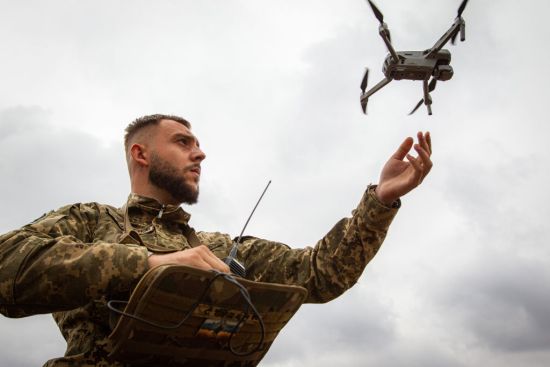
— So what should Ukraine do? Drone warfare seems to be a key asymmetric advantage—should Ukraine double down?
— Triple down. Ukraine must continue targeting critical economic and military infrastructure—oil terminals, missile production, drone facilities. This is necessary not only for Ukraine’s survival but also for broader security, because Putin’s misreading of the situation could push him to test NATO in the future. Ukraine has to act as a responsible leader in this context.
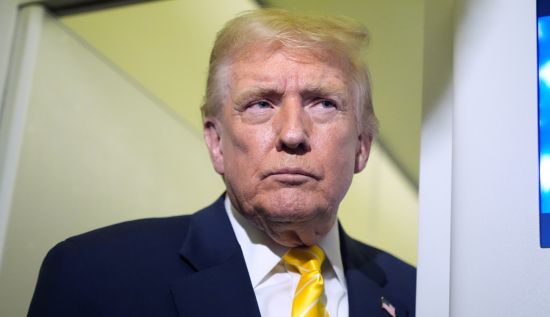
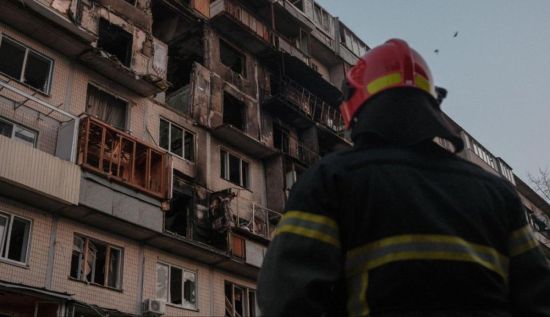
— We recently saw massive Russian strikes—hundreds of drones and missiles, heavy civilian casualties. Even Donald Trump called such attacks “terrible.” Does that mean anything in practical terms?
— America is not Trump, and Trump is not America. There is a growing difference between his statements and actual policy expectations. European leaders and Ukrainians initially treated his words with caution but some optimism. Now, after many unpredictable decisions, trust has decreased. At this point, statements like “terrible” do not necessarily translate into action.
Real security guarantees come from collective efforts—from NATO, the EU, and countries like Latvia, Lithuania, and Estonia—not from individual political figures.
— Ukrainian intelligence says Russia is preparing a new offensive, aiming to capture the entire Donbas. Are they capable of that?
— They might try, but Ukraine is also capable of meeting its defense goals. Russia is approaching a point where it may need full mobilization, which Putin fears. When he attempted partial mobilization in 2022, millions fled the country. With elections approaching, he may hesitate—but eventually, this pressure could force such a decision. That, in turn, could trigger internal unrest, economic strain, and even conflicts within the Russian military itself between conscripts and contract soldiers.
— Well, I would love to imagine that, and I would double down on deep strikes—hitting logistics, warehouses, air defense. I believe this could disrupt any offensive. Would you agree that this is the right tactic?
— Yes, absolutely. This is the only working strategy to keep weakening and demilitarizing Russia. This war will only end when Russia runs out of money and resources to continue it. No agreement alone can guarantee security. Right now, Ukraine understands Russian logistics and weaknesses in air defense. There are even concerns in Russia that drones are probing defenses in preparation for possible missile strikes. The more resources and arsenals we destroy, the sooner lasting peace can be achieved.
— And what about the September deadline to capture the Donbas—is that a real military goal or more of a domestic political narrative?
— It’s more of a political message—“another September,” so to speak. Vladimir Putin needs to promise something. Even pro-Kremlin commentators now mock repeated claims of capturing the same places again and again. They recognize that the gains are minimal compared to the losses, and often Russia destroys territory rather than truly controlling it. This narrative is aimed at maintaining internal support, especially before sensitive political periods.
— So it’s about maintaining the illusion of progress?
— Exactly. There is also growing dissatisfaction within Russia. Economic pressure, internet shutdowns, and declining living conditions are fueling tension. Even within the elite, there are signs of blame-shifting and internal conflict. Some analysts believe this could eventually lead to instability—perhaps not a democratic uprising, but something like an internal power struggle.
— That puts Putin in a difficult position. Continuing the war drains resources, but negotiations could trigger backlash from radicalized groups. So what options does he really have?
— Real negotiations would be accompanied by clear signs, like a genuine ceasefire. As long as Ukrainian cities are under attack, there is no serious intent to end the war. Ukraine has demonstrated willingness to negotiate, but it cannot stop the war unilaterally. Putin’s decisions increasingly appear disconnected from reality. Even when favorable conditions were reportedly offered in the past, he rejected them, believing he could still achieve his goals militarily.
— So escalation becomes a way to maintain control?
— Yes, the war has become a tool for maintaining power. At the same time, dissatisfaction within Russia is growing—not because of moral concerns, but because of economic hardship and restrictions. Many people are beginning to question the situation. Another factor is that long-term authoritarian rule creates an information vacuum—leaders are surrounded by people who tell them what they want to hear. This further isolates decision-making at the top.
— And what does that mean for the future of Russia?
— There are signs that the system is under increasing strain. While there is no clear alternative leadership, the pressure is building—from economic decline, regional tensions, and internal contradictions. Some analysts even point to structural weaknesses in such large centralized systems. The trajectory suggests that internal challenges will continue to grow, regardless of developments on the battlefield.
Read also: A Gray Zone: How Russia May Use the Easing of Sanctions Against Minsk