Yesterday at 20:09

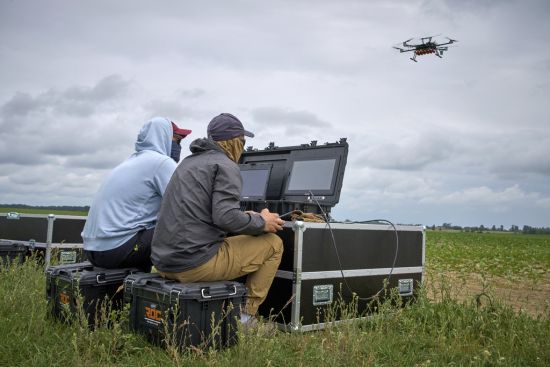
Ukraine is entering a new phase of the war — one defined not by isolated missile barrages, but by relentless waves of unmanned aerial vehicles. What began as sporadic nighttime attacks has evolved into systematic “drone storms,” stretching air defenses to their limits and turning the skies into a permanent battlefield.
The scale alone tells the story. Hundreds of targets in a single night are no longer an exception. Even with high interception rates, the mathematics of attrition works in Russia’s favor: cheap one-way UAVs force the use of expensive interceptors, gradually exhausting ammunition stocks and creating openings for missile strikes on energy infrastructure and logistics hubs.
Behind this surge lies a structural shift. Moscow has moved from dependence on Iranian deliveries to localized industrial production, expanding assembly lines and securing alternative supply routes for engines, electronics, and navigation systems. This industrialization — combined with tactical adaptation — has transformed drone warfare into a sustained pressure campaign rather than a supplementary tool.
The implications are strategic. Mass UAV packages are designed not only to strike targets but to overload, distract, and probe. They test electronic warfare corridors, map air defense gaps, and normalize constant pressure on the rear. Without a multilayered response — combining high-end systems, cheaper interception layers, electronic warfare, and disruption of production chains — the tempo of attacks will continue to rise.
Russia is betting on volume. Whether that bet succeeds depends on how quickly Ukraine and its partners adapt to a war where scale, cost-efficiency, and supply chains matter as much as precision.
Read the full analysis by Volodymyr Kuznetsov on why Russia’s drone production is accelerating — and what must be done to stop the next wave.