Today at 18:41
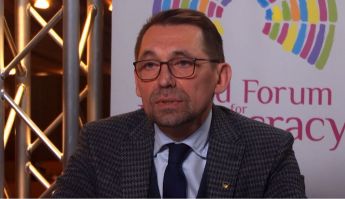
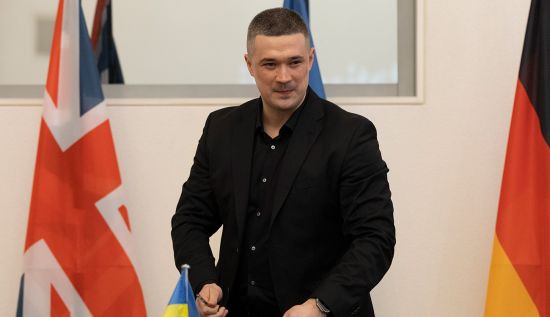
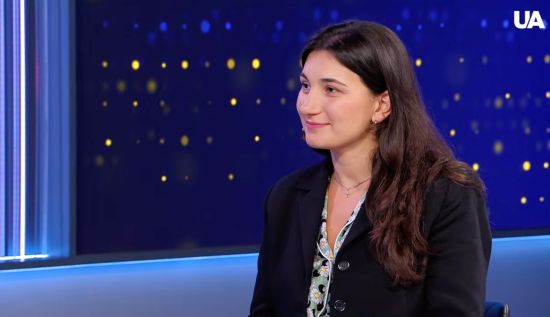
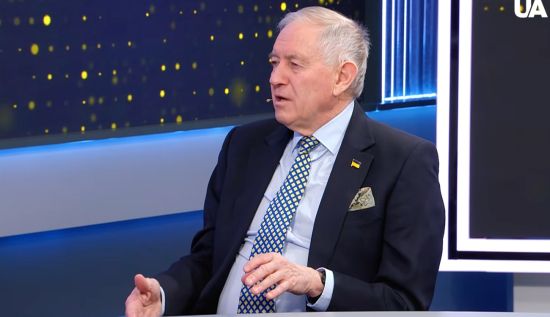
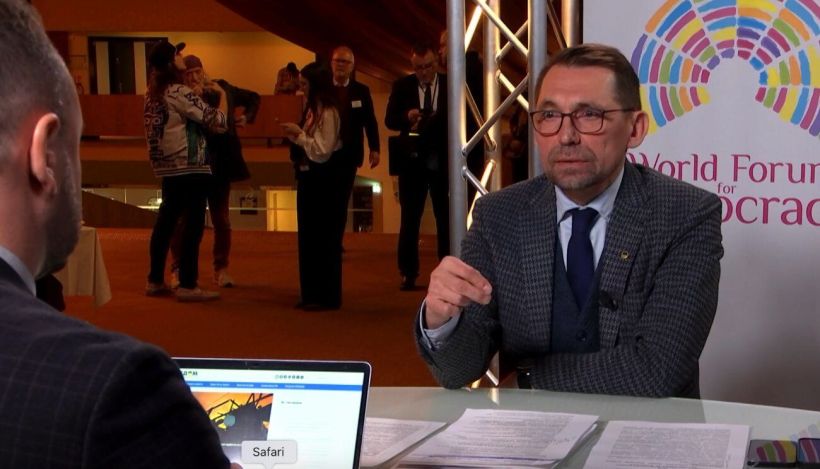
In Strasbourg, Ukraine’s Permanent Representative to the Council of Europe, Mykola Tochytskyi, spoke with FREEДОМ TV about Kyiv’s steps to establish an international tribunal against Russia, a compensation mechanism for aggression, and Ukraine’s role in strengthening European democracy. The diplomat stressed that the Council of Europe is becoming a platform where Ukraine is shaping the justice of the future.
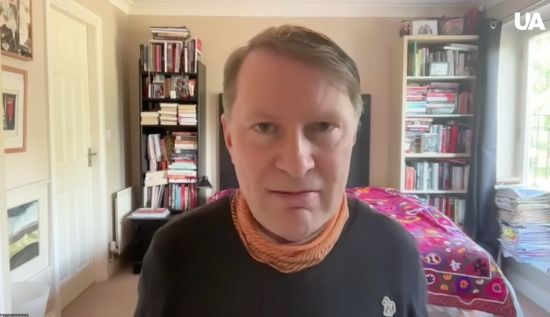
Host: Oleg Borysov
— You were last interviewed as Minister of Culture and Strategic Communications. Now, as Ukraine’s Permanent Representative to the Council of Europe, what are your goals and tasks here?
— My goal, like that of every Ukrainian, the president, and the government, is victory. To achieve this, we must return those who no longer respect international law to it. The Council of Europe was created in 1949 after World War II to prevent new wars. It was therefore logical that the organization was the first to point Russia to the door, excluding it from all statutory bodies for violating international law and democratic principles.
The Council of Europe has also become a guarantor of democratic processes in Europe. For example, at the 2023 summit in Reykjavik, member states established a mechanism for registering damages, confirmed the need for a compensation mechanism, and supported the creation of a special tribunal.
— On June 25, the Ukrainian president and the Council’s Secretary-General signed an agreement establishing a Special Tribunal on the crime of aggression against Ukraine. This provides a full set of legal tools to document Russia’s crimes. Following the Committee of Ministers’ recent decision to create a commission to review claims, a diplomatic conference will confirm this in December. The next step will be a compensation fund for Russia’s crimes.
And the most important point: it is widely recognized – not only by Ukraine – that Russia must pay a price to prevent future aggression. This is why the Special Tribunal is being created.
— Regarding the compensation mechanism: at the last Council of Europe session, member states supported using frozen Russian assets. However, some EU countries are slowing this process. What discussions are ongoing?
— Dialogues are happening in almost every capital, not just in Strasbourg. Recently, Vice-President and European Commissioner Dombrovskis emphasized that the dialogue must lead to a decision on using Russia’s frozen assets. Many states in the European Parliament and the Parliamentary Assembly of the Council of Europe support this approach.
The main challenge is legal rather than political. A flawless legal basis is needed so Russia cannot challenge the mechanism. Discussions may take time, but in a democracy, debate is essential to reach the right decision.
— How is the tribunal process progressing to hold perpetrators, including Putin, accountable?
— The GT-Tribunal working group is actively preparing roadmaps. Some steps depend on elections in certain countries, which can temporarily slow progress.
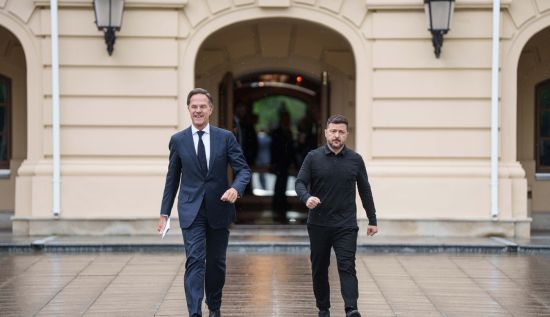
— A major development: Dutch Foreign Minister Wopke Hoekstra recently stated that the Netherlands is ready to host the Special Tribunal on Russian aggression on its territory. This is a significant first step and a strong signal. The tribunal is open to all states sharing the Council of Europe’s goals, who can participate legally and financially. While the full damage to Ukrainian society cannot be undone, Russia must bear material and moral responsibility.
— Before the Democracy Forum, you said: “Europe is stronger with Ukraine, and the world is better with Ukraine.”
— Not everyone fully understands, but those who visit Ukraine become its advocates abroad. Cultural diplomacy also plays a role. Through partnerships and projects like “Look Ukrainian,” and initiatives like the audio guide by Ukraine’s First Lady Olena Zelenska, we show the courage and resilience of Ukrainians.
— Russia’s aggression is rooted in maintaining power, and Ukraine exposes this. Audiovisual projects, films, and concerts act as a form of cultural resistance. The Council of Europe is more than an old institution—it is a platform to defend statutory principles and international law, and Ukraine helps member states understand the real threat.
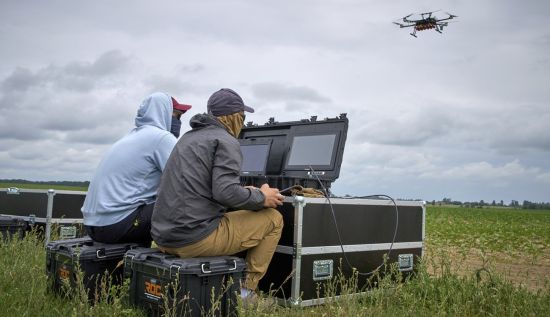
— Ukraine has mobilized institutions previously slow to act. Modern wars involve technology and AI, not only artillery and tanks. Russian drones now fly not just near Europe’s borders but over EU capitals. Education, culture, and critical thinking are tools to resist this aggression.
Next year, a film festival highlighting Ukraine’s struggle will take place in Strasbourg, bringing the story of Ukraine closer to European audiences.