Yesterday at 20:05

After February 24, 2022, it became evident that Europe’s traditional security framework was ill-equipped to respond effectively to the threats posed by Russia’s aggressive policies. For Ukraine, this marked a turning point, necessitating the search for new, flexible, and practical forms of defense cooperation.
While full NATO membership remains a long-term strategic objective, regional security alliances have emerged as the primary mechanism for survival and resistance during wartime. Without waiting for a formal invitation to join NATO, Kyiv began establishing a network of partnerships that provided tangible support in the form of weapons, intelligence, logistics, and political backing.
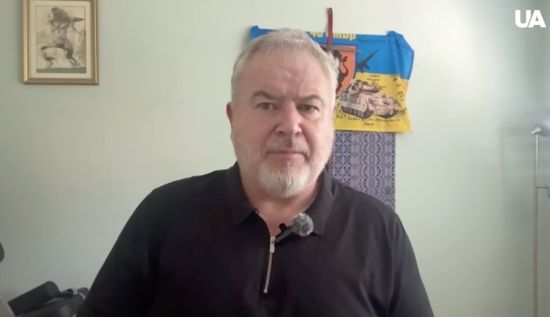
Explore more in the article by Bohdan Popov, Head of Digital at the United Ukraine Think Tank, communications specialist and public figure.
Firstly, Popov explains that the first countries to respond swiftly to the threat were Poland, the United Kingdom, Lithuania, Turkey, and the Scandinavian nations. Already in February 2022, they started providing ATGMs, man-portable air defense systems, communications gear, ammunition, and other equipment that helped repel the initial attacks. These nations acted independently, without waiting for approval from Brussels or Washington, leveraging existing regional frameworks—many of which had been established before the invasion but took on real significance during the war. Consequently, Ukraine began focusing on developing alliances such as the Lublin Triangle, Quadriga, and the trilateral partnership with the UK and Poland, while also joining newly established formats like the Ukraine Compact.
Secondly, the author broadens our mind on different types of strategic international cooperations which have crucial importance for Ukraine’s future security and prosperity:
The Lublin Triangle
Established in 2020, the Lublin Triangle has become one of the most reliable alliances on NATO’s eastern flank. Its members—Lithuania, Poland, and Ukraine—share not only a common historical experience but also a unified understanding of the Russian threat. Throughout the war, this alliance has evolved into a key coordination hub, addressing issues such as countering propaganda, intelligence sharing, joint military exercises, and defense policy. In July 2023, the member states signed an updated defense cooperation memorandum, opening the door for closer integration of their defense industries.
Quadriga
Quadriga is a distinctive platform uniting the Defense and Foreign Ministries of Ukraine and Turkey. Established in 2020, it has evolved into a strategic channel for cooperation between the two Black Sea nations. The Quadriga has not only facilitated the delivery of Bayraktar drones but also led to an agreement to construct a drone production facility in Ukraine.
The Trilateral Axis
The Ukraine-Poland-UK trilateral alliance has proven to be equally significant. Announced in February 2022, it emerged as a rapid response to the realities of the Russian invasion. This alliance established an “axis of resolve,” offering both logistical and operational support on the battlefield. Under the UK’s initiative, a large-scale training program for the Ukrainian military was launched as part of Operation Interflex. Poland managed the logistics hub and the evacuation of the wounded, while Ukraine remained at the center of frontline resistance.
The Ukraine Compact
The Ukraine Compact is the most structured and comprehensive of all regional initiatives. Signed alongside the G7 summit in Vilnius, it brought together over 20 countries, including the EU, the US, Japan, and Northern European states. The agreement ensures long-term support for Ukraine’s defense, covering equipment deliveries, training, intelligence sharing, the construction of military-industrial facilities, and, crucially, a coordinated response in the event of further Russian aggression.
Northern Path
The Scandinavian direction—comprising Denmark, Sweden, Norway, and Finland—deserves special attention. These countries contribute not only substantial weaponry but also engage in defense production projects, military rehabilitation, and the funding of training programs. Denmark has taken responsibility for coordinating one of the sectors within the UDCG, Sweden provides air defense systems, and Norway supplies precision-guided weapons. Their involvement in the Ukraine Compact is supported not only by political commitment but also by tangible resources, making it possible to envision the development of a northern defense cluster that includes Ukraine.
Eventually, the expert summarizes that regional security formats have proven to be flexible, rapid, and politically less bureaucratic tools of support. While they do not replace NATO, they create a temporary yet effective “containment zone” until Ukraine achieves full integration into the Alliance. At the same time, these formats should not be viewed as alternatives to NATO, but rather as platforms for political, logistical, and military integration, providing opportunities to develop mechanisms that could later become part of NATO commitments.
Ukraine should take an active role not only in participating in these formats but also in setting their agenda. This involves not just receiving assistance, but shaping the strategic security framework of the region. Today, Ukraine is not merely a subject of security policy—it is a central architect of it in Central and Eastern Europe.
Read the full article by Bohdan Popov on The Gaze: Ukraine’s Regional Security Alliances: How to Get the Most Out of Them
Read also: Ukraine’s Titanium Ambitions: A New Front in Economic Warfare