Yesterday at 20:02

Ukraine is turning its titanium reserves into a strategic asset, breaking Russia’s dominance and creating fresh economic prospects for Western countries.
The control of titanium deposits in Donbas and Zaporizhzhia has grown beyond a simple economic matter, becoming a critical front in the broader geopolitical struggle between the West and Russia. This metal is essential for the aerospace, aviation, and defense sectors, underscoring its immense strategic value.
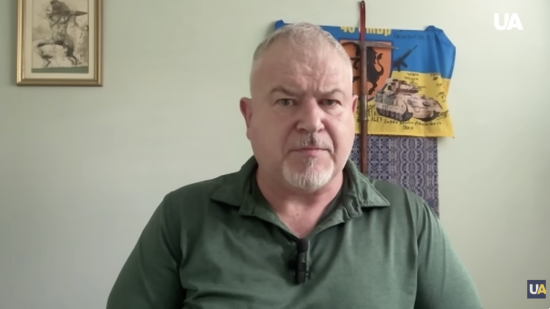
Explore more in the article by Bohdan Popov, Head of Digital at the United Ukraine Think Tank, communications specialist and public figure.
First of all, Popov explains that titanium is one of today’s most valuable metals. Its combination of lightness, strength, and resistance to corrosion makes it essential for manufacturing aircraft, armored vehicles, precision weapons, and space technology. For decades, however, the global market has depended heavily on the Russian producer VSMPO-Avisma, which accounted for up to 30% of worldwide titanium production and nearly half of the aerospace sector’s supply.
Until 2020, Ukraine supplied up to 90% of the ilmenite – the primary raw material for producing titanium sponge – to Russia. The ongoing war has dramatically altered this landscape: Ukrainian deposits now offer a viable alternative to Russia’s monopoly, helping reduce critical global dependencies. Consequently, Ukrainian titanium could reshape international supply chains and provide the West with much-needed strategic autonomy.
Secondly, the author emphasizes that with sanctions in place and limited access to Russian titanium, global industrial leaders are reevaluating their supply chains. Boeing cut ties with VSMPO-Avisma immediately after Russia’s invasion, while Airbus and Safran have long sought ways to bypass restrictions. Today, Western attention is turning toward Ukraine and its abundant titanium reserves, particularly the Zaporizhzhia Titanium-Magnesium Plant (ZTMP), which remains a strategically attractive investment despite the risks.
Yet, developing Ukraine’s titanium sector carries substantial challenges due to the ongoing war and occupation. Deposits in Donbas and the Zaporizhzhia plant face constant threats of shelling and sabotage. Transport routes for raw materials and finished products are unstable, and production facilities and infrastructure remain at high risk of destruction, discouraging large-scale investment from Western companies.
These challenges, however, can be mitigated through a well-defined military-economic strategy, including international guarantees, investment insurance, and support from NATO and Ukraine’s partners. With such measures in place, Ukraine could fully unlock the strategic potential of its titanium industry.
All in all, the expert sums up that Ukraine’s focus on developing its titanium industry is part of a wider strategy to establish an economic front against Russian aggression.
Investing in titanium production will help the West reduce its reliance on Russia while supporting Ukraine’s economic recovery. Achieving this requires the state to provide a stable legal framework, investor protections, and secure logistical networks.
Successfully implementing these plans would send a strong economic signal to international partners, demonstrating a favorable investment climate and concrete guarantees for their capital.
Read the full article by Bohdan Popov on The Gaze: Ukraine’s Titanium Ambitions: A New Front in Economic Warfare
Read also: Nawrocki Blocks Aid Law, Putting Ukrainians at Risk and Eroding Trust With Kyiv