Today at 18:04

Russia’s full-scale invasion of Ukraine has pushed the West to reconceptualize sanctions—not as fixed punitive measures, but as flexible, strategic financial tools. With innovations like real-time monitoring of banking activity, oil price caps, and secondary sanctions, a new phase of adaptive economic warfare has emerged.
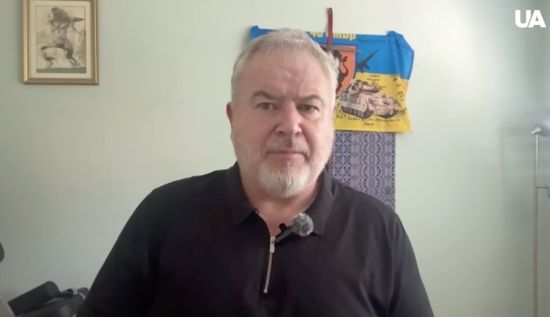
Dive in this topic with Bohdan Popov, head of digital at the United Ukraine Think Tank, communications specialist, and public figure, in his article for The Gaze.
Firstly, Popov argues that since the launch of Russia’s full-scale invasion of Ukraine, the West has imposed sweeping financial sanctions on the Russian banking sector. Within days of the invasion, the U.S. and its allies had targeted roughly 80% of Russian banks, cutting the largest institutions off from the dollar system and eventually disconnecting them from SWIFT. These moves effectively severed Russia from the global financial network.
One of the most significant blows was the freezing of around €300 billion in Russian central bank reserves held in Western countries—an unprecedented action against a major economy. The vast scope of these sanctions demanded a real-time, dynamic approach to financial oversight. G7 nations pushed banks to the forefront of enforcement, requiring them to detect and report efforts to evade restrictions.
While the dominance of the U.S. dollar and the euro gives Western regulators leverage to trace even non-Western transactions, banks now face stricter compliance demands. They must conduct enhanced due diligence (KYC), monitor high-risk transfers, and flag any activity that might indirectly support Russia’s war effort.
In late 2023, the U.S. issued Executive Order 14114, introducing secondary sanctions on foreign financial institutions involved in significant dealings with Russia’s defense sector. This marked a shift toward proactive, real-time disruption of Russian financial networks—closing loopholes as they appear. This agile, targeted strategy has now become the new standard in sanctions enforcement.
Secondly, the author emphasizes that in response to Russia’s energy-driven influence, the West introduced an unprecedented sanctions tool—a price cap on Russian oil. In late 2022, the G7 and the EU set a global precedent by capping Russian crude oil at $60 per barrel. By February 2023, separate ceilings were established for petroleum products: $100 per barrel for high-grade fuels like diesel, and $45 for lower-grade products. This approach allowed Russian oil to remain on the global market—avoiding supply shocks—while drastically cutting into the Kremlin’s revenues.
In the first year of implementation, Russia was compelled to sell its Urals crude at a steep discount, averaging $50–55 per barrel—well below global benchmarks. Though export volumes stayed relatively stable, the drop in profits demonstrated the effectiveness of the strategy: maintaining global energy flows while draining funds from the Russian war effort.
Over time, however, Moscow adapted. It assembled a “shadow fleet” of tankers operating without Western insurance and restructured its logistics to bypass financial restrictions. In response, Western allies updated their tactics. First, they began revising the price cap levels—most notably in June 2025, when the EU proposed lowering the oil cap to $45 to further shrink Russia’s income. Second, enforcement intensified. The EU’s 17th sanctions package targeted over 200 tankers with murky ownership linked to the shadow fleet. Additional bans were imposed on insuring or financing any shipments violating the price cap, reinforcing efforts to close loopholes in the system.
Finally, the author summarizes that the war in Ukraine has shown the democratic world that economic warfare can be nearly as impactful as military action. This lesson is already shaping how the West prepares for future threats from states like China, Iran, or others that may seek to disrupt the global rules-based order. The conflict has proven that the West can build a flexible and powerful financial blockade—and this form of economic pressure is now firmly established as a long-term tool of deterrence.
Read the full article by Bohdan Popov on The Gaze: How Sanctions Against Russia Taught the West Dynamic Financial Blockades
Read also: Kremlin’s Foreign Legion: North Korea’s Involvement in Russia’s War and the New Global Divide