Yesterday at 20:01

Russia, as a country that deliberately destroys recognized world cultural heritage cannot remain in an organization whose primary goal is to protect it
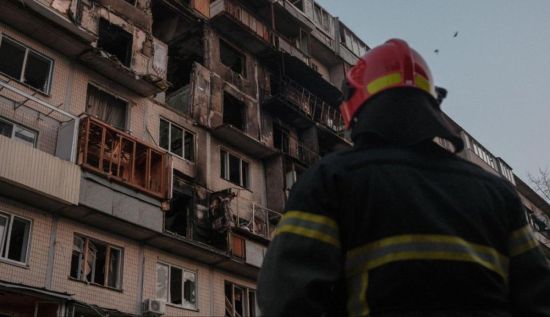
Russia continues to attack Ukrainian cities, including Lviv downtown in late March, a historic cultural hub whose center is inscribed on the UNESCO World Heritage List. An attack in late March 2026 damaged buildings within this protected area, raising a persistent and unresolved question: What does it mean to safeguard cultural heritage during a full-scale war?
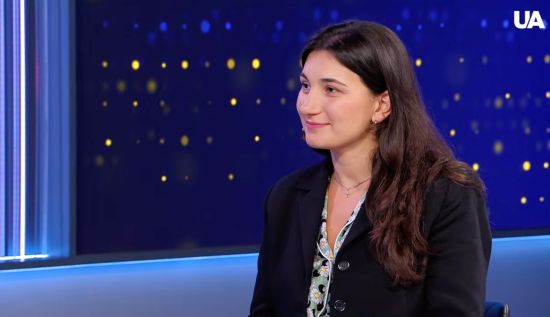
Anastasiia Stepanenko, grant writer, project manager, cultural critic, expert at the United Ukraine Think Tank explained this issue in the article.
As Anastasiia Stepanenko notes, the destruction of cultural heritage in Ukraine since the start of Russia’s full-scale invasion is neither accidental nor sporadic. Hundreds of sites—including museums, churches, libraries, and historical buildings—have been damaged or destroyed. Monitoring by UNESCO confirms the масштаб and continuity of these losses.
Stepanenko emphasizes that Ukrainian officials and cultural figures increasingly view this pattern as systematic, not incidental. The damage, in their assessment, forms part of a broader strategy aimed at undermining Ukrainian identity itself. This interpretation is supported by international findings, including conclusions from the United Nations Independent International Commission of Inquiry on Ukraine, which has documented deliberate attacks on cultural and religious sites.
In this context, calls to remove Russia from UNESCO have intensified. While such proposals may appear to fit within a wider дипломатичний pressure campaign, Stepanenko underlines that the issue is more fundamental. It raises a structural question: can an organization built on dialogue function effectively when one of its members is accused of systematically violating the very principles it is meant to uphold?
UNESCO’s mandate is centered on the protection of cultural heritage and the promotion of cooperation in education, science, and culture. Allowing a state accused of undermining these principles to retain full membership creates, as Stepanenko describes, a clear contradiction within the institution’s framework.
Ukraine’s position, as outlined by the author, is based on the idea that membership in international organizations entails not only rights but also responsibilities. Serious violations, therefore, should carry consequences. However, unlike some other international bodies that have introduced suspension or restriction mechanisms, UNESCO has historically prioritized dialogue and avoided exclusionary measures.
Stepanenko argues that the absence of tangible consequences risks setting a dangerous precedent. If systematic destruction of cultural heritage does not lead to meaningful institutional response, it may signal to other actors in current and future conflicts that such actions will provoke little more than formal condemnation.
Ultimately, Ukraine’s appeal goes beyond the question of Russia’s status. As Stepanenko concludes, it is about redefining the role of international institutions in the 21st century—whether their function is limited to documenting losses and expressing concern, or whether they must evolve toward mechanisms that ensure prevention, accountability, and real protection of cultural heritage.
Read the FULL article on the Gaze: Why Ukraine Wants to Expel Russia from UNESCO
Read also: Ukrainian strikes close windows of opportunity for Russia – Interview with Anna Danylchuk