Today at 20:04

As Russia faces growing isolation following its full-scale invasion of Ukraine, China has emerged as a crucial supplier of dual-use goods that significantly enhance Moscow’s military capabilities.
China’s assistance to Russia is not haphazard or ad hoc; it represents a structured system encompassing logistics, financing, and technological cooperation. MERICS reports that in 2024 alone, Beijing provided Russia with over $4 billion worth of dual-use items. On average, monthly shipments totaled around $300 million, peaking at a record $600 million in December 2023, with the trend continuing upward.
These figures go beyond mere trade data—they reveal that China is systematically and substantially strengthening Russia’s military-industrial base, despite the risk of secondary sanctions.
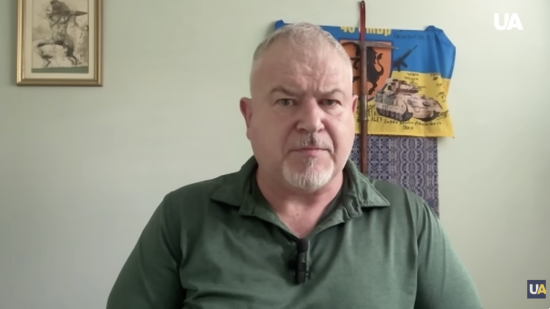
Dive in this topic with Volodymyr Kuznetsov, communications specialist, expert at the United Ukraine Think Tank, in his article for The Gaze.
Firstly, specialist argues that the term “dual-use goods” covers a broad spectrum of items, from microelectronics to chemical reagents. China provides Russia with navigation systems, jamming technologies, fighter jet components, and nitrocellulose—a key ingredient in modern ammunition. While these products have civilian applications, their role in weapons manufacturing makes them strategically important.
Concrete examples highlight the scale of this issue. A Reuters investigation found that Russia’s Biysk Oleum Factory, which produces explosives like TNT, RDX, and HMX, obtained German Siemens equipment via Chinese intermediaries Huizhou Funn Tek and New Source Automation. This shows that China not only exports its own goods but also acts as a conduit for European technologies that cannot reach Russia directly.
Moreover, Beijing has built a network of shell companies registered in offshore jurisdictions, operating through Hong Kong, Macau, and some Central Asian countries. This allows EU and US sanctions to be largely circumvented. Many banking transactions are conducted in yuan to bypass dollar-based restrictions and SWIFT blockages. While some Chinese banks have been sanctioned by the EU for facilitating dealings with Russian military suppliers, China’s financial system remains adaptable enough to find rapid workarounds.
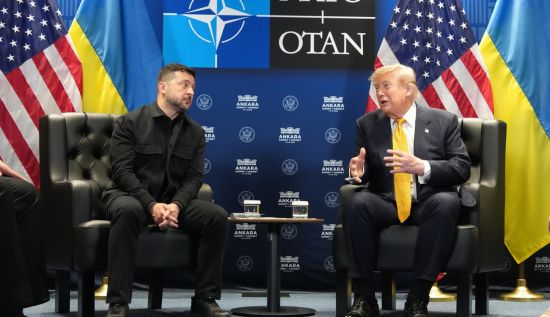
Secondly, Kuznetsov emphasizes that despite officially claiming neutrality, China intentionally positions itself as the Kremlin’s technological support. This approach aligns with Beijing’s broader goals of undermining the West, fostering a multipolar world, and maintaining Russia as a strategic partner. NATO analysts describe China as a “key enabler” of Russia’s military operations. In June 2024, the G7 explicitly accused China of assisting Russia, calling such actions a threat to global security.
The United States has long pursued a targeted policy against Chinese firms collaborating with Russia’s military-industrial complex. The US Department of Commerce has expanded its Entity List to include manufacturers of microchips, drones, and guidance systems. In August 2025, a bipartisan bill was introduced in Congress calling for sanctions on any Chinese companies or officials supporting Russia’s defense sector. Similarly, the EU has tightened export controls on dual-use goods and imposed restrictions on Chinese financial institutions involved in suspicious export activities.
Finally, the expert summarizes that time is benefiting Russia. Each month that passes without an effective response enables Moscow to rebuild lost production capabilities and upgrade its weaponry. China’s provision of dual-use goods goes beyond mere commercial trade—it represents a strategic contribution to sustaining the war. The example of German Siemens equipment routed through Chinese intermediaries illustrates that even countries with the strictest sanctions cannot always prevent their technology from being used against Ukraine. The West has the means to halt this, but the critical question remains whether there is the political will to act promptly.
Read the full article by Volodymyr Kuznetsov on The Gaze: Why does China increase the supply of dual-use goods to Russia?
Read also: Sanctions vs. Russia’s Hidden Operations in the Middle East