Today at 14:18

According to Turkey’s Foreign Minister Hakan Fidan, Russia’s war against Ukraine is likely “closest to ending” now, as it is passing through “perhaps its most difficult phase”, UATV English reports.
In an interview with A Haber, Fidan said both Russia’s war in Ukraine and Turkey’s leading role in ceasefire efforts in Gaza, as well as the situation in Syria, remain important and current for Turkish policy. In his view, the human and political losses in the Russia-Ukraine confrontation have “exceeded manageable limits.”
He stressed that he assesses the war in Ukraine not as a military officer but as a diplomat.
“At this stage, we are talking about a war that is almost over. (…) Of course, it needs to be stopped. That has been our policy from the beginning. But there were very influential circles that did not want it to stop…
Now America, together with the Trump administration, has in fact come to the same conclusion as we have. European leaders want this too,” Fidan said.
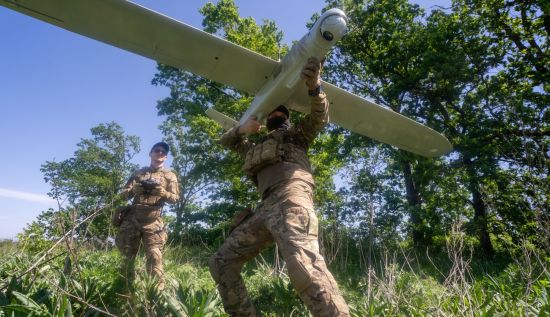
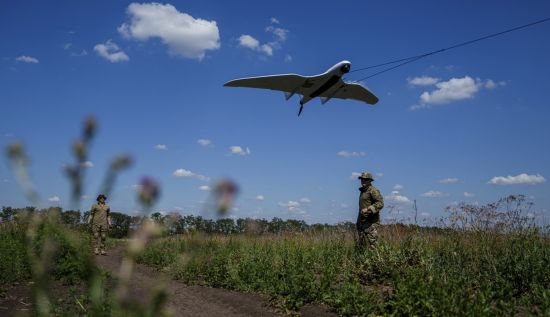
The war in Ukraine is “effectively closest to an end” because, according to Fidan, it is at one of its hardest moments. Both sides have focused on destroying each other’s transport and energy infrastructure and, as the Turkish minister said, are no longer striking military targets. The fight at the front has also turned into a war of various types of drones.
Fidan’s direct quote: “No one can move anywhere. Nothing is happening; only those who disregard losses are advancing.”
Asked whether Turkey would soon bring the Ukrainian and Russian sides to the negotiating table, the foreign minister replied: “We now believe that a peace table will be created. I personally believe it. For obvious reasons, we cannot go into details. Whether it will happen in Turkey or elsewhere, I believe that this peace not only should happen, but will happen.”
At the beginning of November, Fidan said his country was ready to host a round of peace talks between Ukraine and Russia, as well as a potential leaders’ summit in Istanbul.
Read also: Zelenskyy: Northern Europe and the Baltics Allocate $500 Million to the PURL Program