Yesterday at 20:01

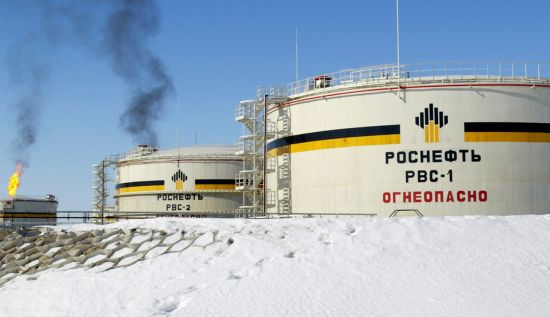
In late October 2025, the Trump administration launched what appeared to be the most severe economic strike yet against Russia’s war economy. Blocking sanctions were imposed on Rosneft and Lukoil, two pillars of the Kremlin’s energy sector, in coordination with the EU’s 19th sanctions package. Markets reacted instantly, and key buyers of Russian oil temporarily paused purchases.
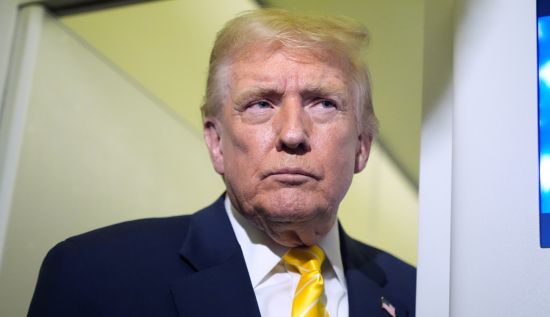
Yet only days later, Donald Trump’s meeting with Chinese leader Xi Jinping revealed a strategic contradiction: securing a trade deal with Beijing took precedence over enforcing pressure on Moscow. This raised a fundamental question — was Washington aiming to break Russia’s military economy, or merely to stage a geopolitical demonstration?
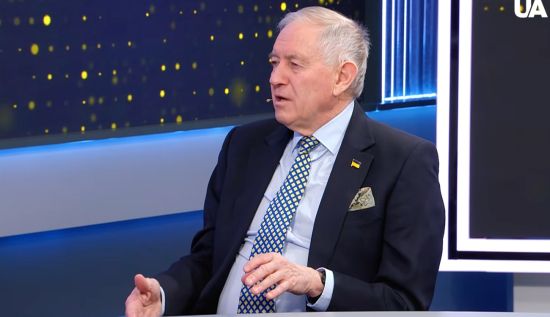
Read the full analysis by Ihor Petrenko, founder of the United Ukraine Think Tank and Doctor of Political Sciences, on The Gaze.
A Sanctions Escalation Without Precedent
The October measures marked a qualitative shift. By placing Rosneft and Lukoil on the SDN list, the US effectively cut them off from the dollar system, freezing assets under US jurisdiction and banning transactions without special licenses. The threat of secondary sanctions turned access to the US financial system into a weapon, forcing banks and traders worldwide to choose between Russian oil and dollar liquidity.
The EU reinforced this move with systemic action. Beyond expanding the list of sanctioned “shadow fleet” vessels, Brussels targeted the infrastructure enabling sanctions evasion — logistics companies, maritime registries, oil traders, and even cryptocurrency-based payment channels used to bypass Western controls. For the first time, sanctions hit not only ships, but the financial and technological backbone of Russia’s parallel energy trade.
The China Factor Undermining the Pressure
Despite the technical sophistication of the sanctions architecture, its effectiveness depended on one key element: political will to enforce it against China, Russia’s largest oil buyer. That will proved absent.
Trump’s October 30 meeting with Xi Jinping sent a clear signal to markets. The US president openly prioritized a trade agreement with Beijing, leaving Chinese banks and refiners untouched. This effectively neutralized the most powerful element of the sanctions regime — secondary pressure — and transformed a potentially devastating weapon into a source of uncertainty rather than collapse.
Russia’s Shadow Economy Adapts
Russia’s response illustrated how far its sanctions-evasion ecosystem has evolved. A vast shadow fleet of tankers, opaque ownership structures, alternative insurance schemes backed by state reinsurance, and cryptocurrency-based settlements have allowed oil exports to continue, albeit at higher cost and greater risk.
This system does not eliminate losses — discounts deepen, logistics grow more expensive — but it prevents a sudden revenue shock. Sanctions now function less as a blockade and more as a persistent drag on efficiency.
Where Sanctions Actually Hurt: The Long Game
The most damaging pressure on Russia may not come from financial shocks, but from technological isolation. The withdrawal of Western oilfield service companies has undermined Russia’s ability to develop new, complex fields, particularly in LNG and Arctic projects. While legacy fields sustain current output, future capacity is steadily eroding.
This creates a two-speed effect: short-term resilience paired with long-term decline. Russia’s war economy survives today, but its position as an energy superpower is slowly being dismantled.
The October sanctions exposed the limits of economic coercion in a multipolar world. They demonstrated that even the most powerful legal tools lose force when subordinated to broader geopolitical bargaining — especially with China. Russia’s military economy absorbs damage, but avoids collapse, while the war continues to be financed through shadow channels.