Today at 01:09

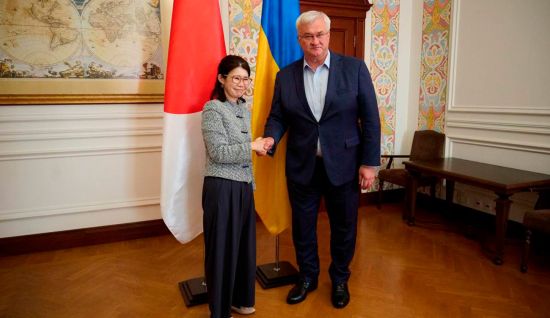
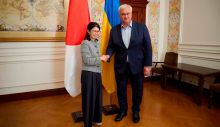
Ukrainian Foreign Minister Andrii Sybiha held talks with Japan’s State Minister for Foreign Affairs Ayano Kunimitsu to discuss the security situation, recent battlefield developments, international efforts aimed at achieving a comprehensive and lasting peace, and prospects for further strengthening bilateral cooperation, UATV English reports.
Sybiha thanked Japan for its unwavering support since the first days of Russia’s full-scale invasion.
“Since the first days of the full-scale war, Japan has consistently supported Ukraine. This support is an important signal that we are not alone in defending freedom, sovereignty, territorial integrity and the principles of international law,” the minister said.
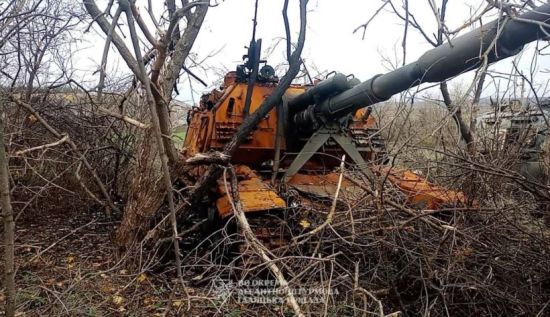
Sybiha briefed his Japanese counterpart on the current situation on the battlefield, Ukraine’s peace efforts and the results of Kyiv’s asymmetric actions aimed at strengthening its negotiating position. The two sides paid particular attention to growing risks stemming from military cooperation between Russia and North Korea.
The Ukrainian foreign minister stressed that the security of Europe and the Indo-Pacific region is indivisible and warned that military experience, technologies and practices acquired by Russia and North Korea during the war against Ukraine will have consequences far beyond Europe.
The ministers also discussed the long-term security implications of Russian aggression. Sybiha informed Kunimitsu about a European initiative to restrict entry for individuals involved in Russia’s war against Ukraine, noting that combat experience acquired by participants in the aggression, including foreign mercenaries, will remain a security risk long after the fighting ends.
Special attention was devoted to Ukraine’s recovery and energy resilience. Sybiha thanked Japan for its significant contribution to supporting Ukraine’s energy sector, which helped the country endure the most difficult wartime winter and prepare for the next heating season.
For her part, Kunimitsu reaffirmed Japan’s continued support for Ukraine, praised the country’s resilience and progress on reforms, and expressed Tokyo’s readiness to contribute further to Ukraine’s recovery and energy security.
“Japan will continue to stand by Ukraine. We highly appreciate the courage of the Ukrainian people and remain committed to supporting efforts aimed at achieving a just and lasting peace,” Kunimitsu said.
Sybiha also thanked Japan for supporting the preservation of Ukraine’s cultural heritage through UNESCO mechanisms and drew attention to Russia’s systematic attacks on cultural and historical sites, including the recent strike on the Kyiv-Pechersk Lavra.
The two sides welcomed the positive momentum in bilateral relations and discussed expanding cooperation in reconstruction projects, innovation, drone technologies, artificial intelligence and other promising areas.
Preparations for the Ukraine Recovery Conference (URC2026) in Gdańsk were also on the agenda, with both sides discussing ways to mobilize international support for Ukraine’s reconstruction, resilience and long-term development.
Sybiha stressed that further strengthening Ukraine-Japan relations serves the interests of both countries and contributes to security, stability and the achievement of a just and lasting peace amid growing challenges posed by Russia and North Korea.