Yesterday at 20:04

The Center for Strategic and International Studies (CSIS) in Washington presented a report titled “Understanding Future Conflicts”, which analyzes key lessons from the Russia-Ukraine war that will be used for planning at the Pentagon.
As reported by Ukrinform’s own correspondent, CSIS military expert, U.S. Army Colonel Scott Pence, showcased a 20-minute video report, the result of in-depth research conducted by experts in collaboration with Pentagon representatives. He also presented a document containing ten key analytical conclusions.
The first section examines the weapons of modern warfare, which erupted as a result of aggression by a nuclear power against a non-nuclear state.
“Russia’s nuclear threats have been a factor in calibrating aid to Ukraine, but at the same time, considering these threats has helped prevent a full-scale nuclear scenario,” the report states.
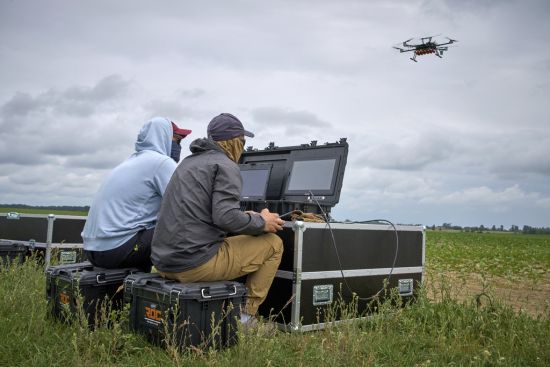
The document analyzes Ukraine’s innovative use of drones. Adaptation to battlefield conditions, the deployment of unmanned aerial vehicles, and technical creativity both at the front and in the rear have become examples of a new model of warfare.
Despite numerous videos showing tanks being destroyed by drones, the report emphasizes that armored vehicles have not lost their relevance. Ukrainian military experts believe that tanks will remain important in the wars of the future.
The second section of the report focuses on capabilities that are built before a conflict begins. Ukraine has demonstrated an example of rapid stockpile replenishment amid active combat, as well as the integration of data to effectively utilize Western aid.
The report highlights logistics as a key factor for a successful military campaign.
“Supplying forces from bases to the front under logistical threats is one of the main challenges the U.S. will face in the event of a major war,” the document notes.
Analysts pointed to the widespread use of artificial intelligence for analyzing combat data, as well as the role of space infrastructure, particularly the Starlink system.
Despite Russia’s attempts to disrupt the satellite network, Moscow has failed to eliminate Ukraine’s technological edge.
The third section, “The Enduring Realities of War”, emphasizes three key ideas that remain relevant in any conflict.
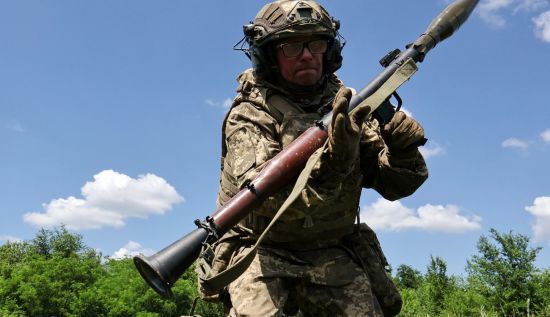
First and foremost, it highlights that the will to fight determines the outcome of a war. The Ukrainian Armed Forces, despite having fewer resources, have shown remarkable resilience that enables them to resist a much stronger adversary. The analysis shows just how significant Ukraine’s success is in the face of Russia’s numerical and technical superiority.
Second, the involvement of the entire population in the resistance is crucial. Gender integration and active civilian participation in defense have given Ukraine a strategic advantage.
Third, the demonstration of the will to win has played a significant role. Ukraine’s struggle against the aggressor has inspired the Western world to provide large-scale support, which has translated into tangible results on the battlefield.
“We examined not only what has happened but also what must be considered before future large-scale wars,” Pence emphasized.
It is noted that the CSIS report will become part of the analytical foundation for decision-making in U.S. and NATO defense planning.
As reported earlier, CSIS has estimated that Ukraine will need between 40 and 160 aircraft to protect its airspace and deter Russian provocations in the event of a ceasefire.
Read also: Lithuania wants to produce maritime drones for itself and Ukraine