Today at 11:44
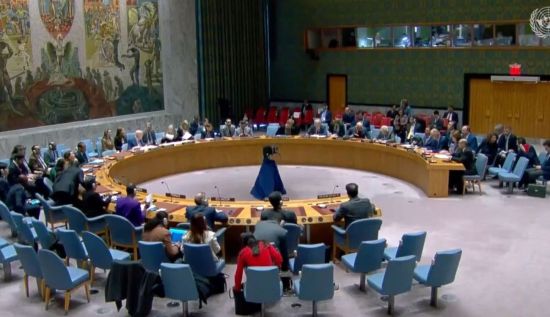
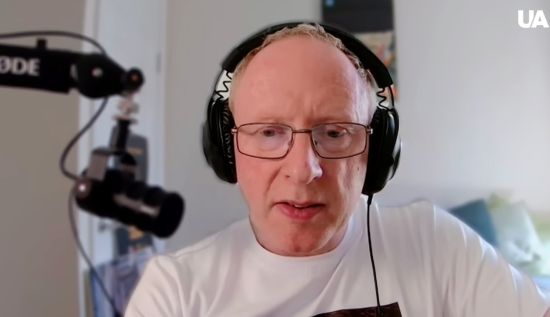
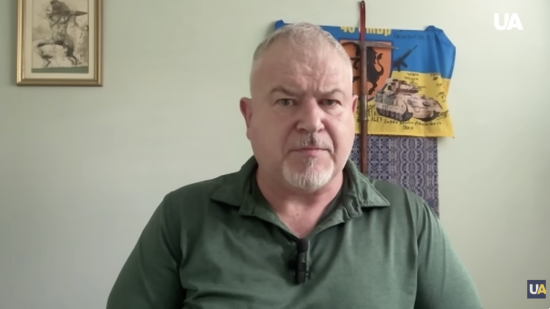
Ukraine possesses a body of legal evidence indicating that Russia’s presence in the United Nations is unlawful — and given sufficient political will among member states, this could form the basis for expelling the country from the organization, according to Volodymyr Yelchenko, head of international policy research at the Pylyp Orlyk Foundation and former Ukrainian ambassador, in an interview with Ukrinform.
Yelchenko explained that Ukraine’s proposed approach is grounded strictly in legal reasoning. He clarified that the issue isn’t about expelling Russia for violating the UN Charter or for its aggression against Ukraine, but rather that Russia’s membership itself is legally invalid.
According to him, Russia stands as the only country in the world whose parliament has never actually ratified the UN Charter.
Yelchenko said that, working with foreign experts, a thorough body of legal evidence had been assembled showing that in December 1991, Russia simply swapped the name “Soviet Union” for “Russian Federation” — in violation of the UN Charter, established procedures, and legal norms — and that the international community accepted this shift without objection. He noted he was serving at Ukraine’s Permanent Mission to the UN in New York at the time and witnessed these events directly.
He suggested the process could begin with a refusal to recognize the credentials of the Russian delegation.
Yelchenko said Russian officials are wary of this approach precisely because it wouldn’t require overcoming a veto. He explained that such a move could proceed through either a simple-majority vote in the UN General Assembly — which he considers achievable — or through a decision by the Credentials Committee. Either path, he said, would effectively bar Russia’s Permanent Representative to the UN, Vasily Nebenzya, from entering UN headquarters or addressing the body, blocking the Russian delegation from presenting its position — something he characterized as a major step.
As precedent, he pointed to the non-recognition of Hungary’s delegation credentials from 1956 to 1958, and a similar situation with South Africa that lasted roughly a decade.
While acknowledging this would require political will, Yelchenko maintained that a strictly legal approach could eventually build enough support among member states to move forward. UN General Assembly sessions convene annually at the start of September.
Volodymyr Yelchenko served as Second Secretary of Ukraine’s Permanent Mission to the UN from 1986 to 1992, and later as Ukraine’s Permanent Representative to the UN during two separate terms — 1997–2001 and 2015–2019 — also serving twice during those periods as Ukraine’s representative to the UN Security Council.
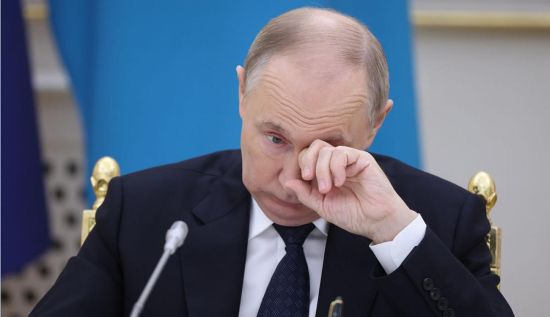
As previously reported, UN Secretary-General spokesperson Stéphane Dujarric pushed back on Vladimir Putin’s claim that NATO was responsible for starting the Russian-Ukrainian war.
Read also: Zelenskyy Congratulates UK Prime Minister Andy Burnham, Confirms Plans for Early Meeting