Today at 16:04

The European Union’s newest sanctions package against Russia tightens restrictions on the country’s defense industry, financial sector, and energy sector, and for the first time introduces an EU entry ban targeting Russian military personnel who took part in the war against Ukraine, according to Vladyslav Vlasiuk, the Ukrainian President’s Commissioner for Sanctions Policy, in comments to Ukrinform.
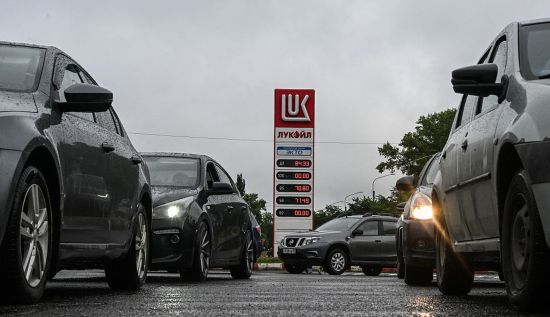
“The main conclusion from the adoption of the 21st sanctions package is that the European Union has once again demonstrated that it is capable of reaching compromises and continuing pressure. Of course, there were disputes: some partners again tried to politicize their profits from the logistics of Russian energy supplies (in particular, the transportation of LNG). Patriarch Kirill of the Russian Orthodox Church and Lukoil founder Vagit Alekperov were also removed from the final draft. But the key and fundamental measures were preserved,” Vlasiuk said.
He noted that the 21st package keeps the oil price cap at $44.1 per barrel. “Amid a surge in global prices, the automatic formula could have raised the limit, but the EU froze the revision for a year to prevent the Kremlin from earning more,” he explained.
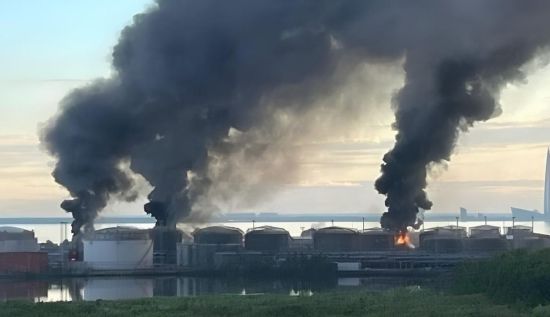
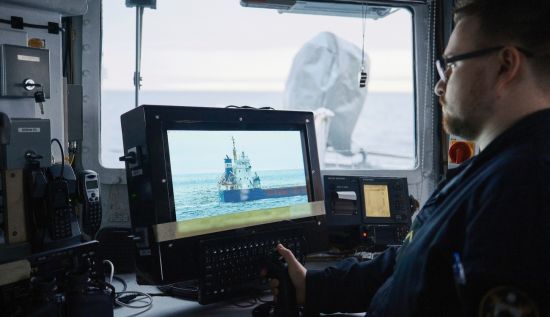
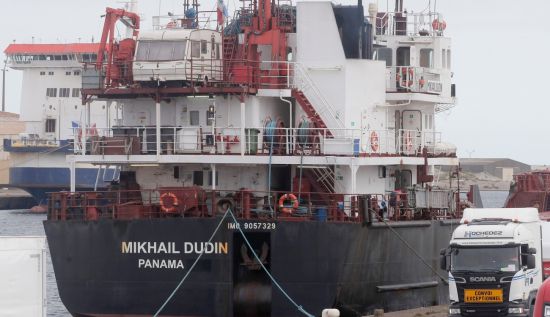
The package also expands sanctions against Russia’s shadow fleet, adding 50 more vessels to the sanctions list. According to Vlasiuk, this marks the first time related infrastructure — bunkering facilities, ports, nuclear power plants, and oil refineries servicing or processing Russian oil — has also been targeted. Separate provisions address LNG and vessel resale, adopted as part of a compromise that carves out an exception for transporting specified LNG volumes from Yamal to China.
On the financial front, restrictions now extend to an additional 90 banks, cryptocurrency platforms, and oil traders operating in third countries. Vlasiuk said the EU has, for the first time, introduced the ability to fully block crypto services used to circumvent sanctions outside the bloc.
Regarding defense industry and trade, he said the package deals a blow to drone and military equipment production by banning exports of ground equipment for UAVs, jamming systems, and specific metals and alloys.
The package also includes personal sanctions targeting combatants. Nearly 250 individuals and legal entities have been added to the sanctions list, and — for the first time — an EU entry ban now applies to Russian military personnel who directly participated in the war against Ukraine.
Vlasiuk noted that much of the package’s content stemmed directly from analysis and work carried out by the Ukrainian side. “We systematically provided our partners with priorities, evidence of sanctions evasion schemes through third countries, and information on new components used in Russian weapons. We thank our partners for their work and consistent support. We are already working on the 22nd package and specific targeted measures — in particular, against those involved in the deportation of Ukrainian children and the organizers of sham elections in the temporarily occupied territories,” he said.
As previously reported, after EU member states agreed on the contents of the 21st sanctions package, European Commission President Ursula von der Leyen and European Council President António Costa both issued statements backing the decision.
Read also: EU Adopts 21st Sanctions Package Targeting Russian Banks, Energy Sector and Shadow Fleet