Today at 20:05
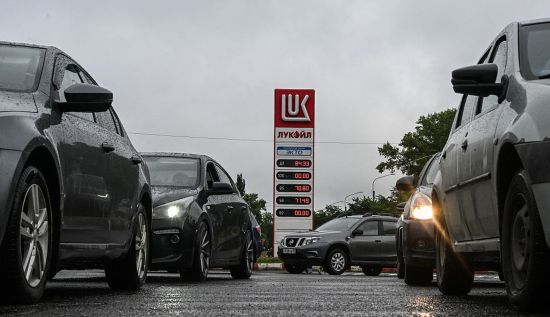
Fuel output in Russia fell to 65% of seasonal consumption levels in early July, according to Reuters. The shortage has even reached the military: Russian troops complain of disruptions in gasoline and diesel supplies. Fuel has to be bought from speculators at several times the price, and driving has to be reduced, UATV English reports.
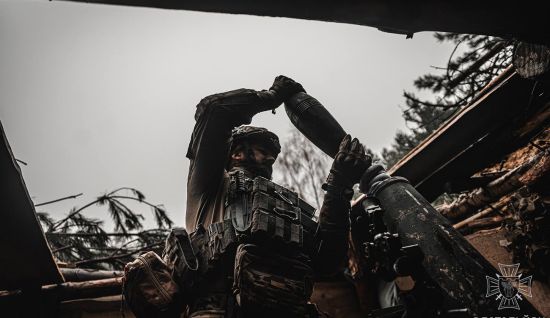
Military facilities, strategic enterprises — above all oil refineries and storage sites — and logistics hubs are the main targets of Ukraine’s Defense Forces in Russia’s rear.
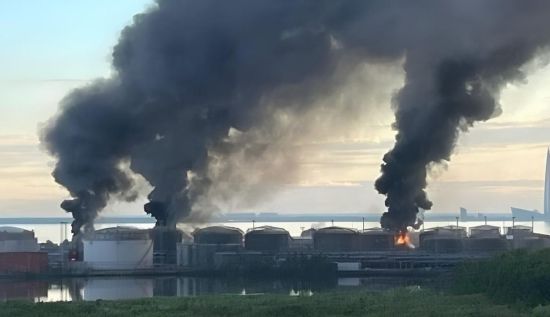
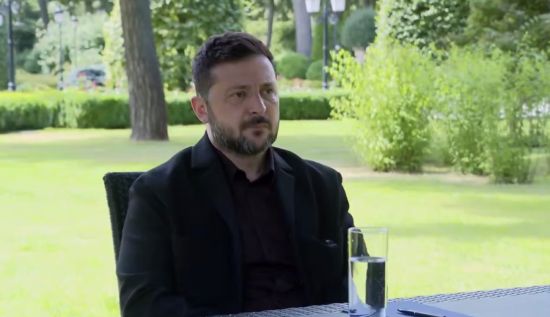
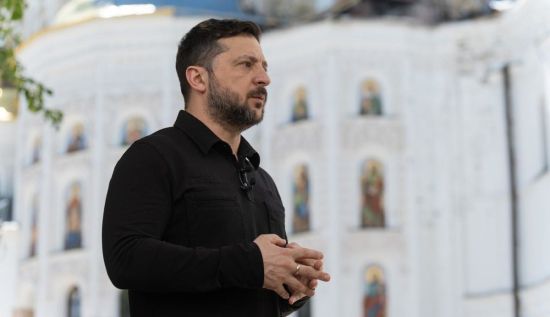
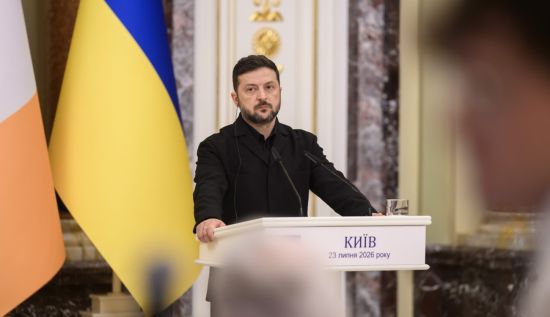
“Ukraine has successfully applied long-range sanctions against important targets in Krasnodar and Stavropol regions — logistics centers involved in supplying the Russian army with drone components, navigation equipment, and gear — and has also struck another oil depot,” Ukrainian President Volodymyr Zelenskyy stated.
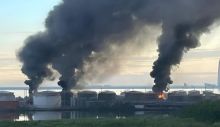
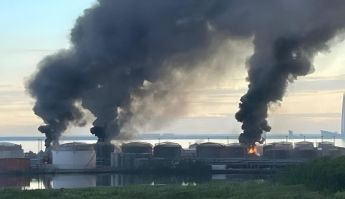
An oil depot burned in Armavir. According to local authorities, the fire covered about 800 square meters.
Strikes by Ukraine’s Defense Forces on the aggressor state’s oil infrastructure facilities have triggered the most severe fuel crisis in the history of the Russian Federation.
Severe shortages and explosive growth in gasoline and diesel prices have forced authorities to switch to manual management. The government has developed a new fuel distribution scheme. Priority in supplies has effectively been secured for state structures. At the top of the list of priority consumers are the army and defense industry enterprises. Farmers come next, by a wide margin. And at the very bottom are businesses and ordinary drivers.
Analysts are convinced such measures won’t solve the problem, but will only further unbalance the market.
“Serious strikes by the Ukrainian army are aimed at destroying Russian energy facilities and processing industry sites, and this is already affecting Russians’ mood. The destruction of key logistics hubs and centers also affects this mood, because it’s one thing to hear or see about the war on TV screens, and another when it directly affects Russians’ daily life and comfort,” noted military expert Vladyslav Seleznov.
Still, even the so-called priority categories are forced to put up with an acute fuel shortage. Russian servicemembers told the outlet “Verstka” about disruptions in gasoline and diesel supplies at the front. This involves a serious reduction in supplies — by some accounts, as much as 30%.
The outlet The Moscow Times writes that due to the gasoline shortage, Russian troops are forced to buy fuel from speculators at 5-6 times the price of gas stations, or wait for fellow servicemembers to bring canisters back from leave. They also complain about the quality of fuel supplied by the Defense Ministry.
There’s no reason to expect the situation to improve, experts say. Gasoline production in Russia significantly lags behind demand, and there aren’t many countries willing to sell fuel to the aggressor state.
“In its fight against the shortage, besides Kazakhstan, Russia is also importing gasoline from Belarus and India. According to one source, the Kazakh refinery ‘Kondensat’ shipped 5,000 tons of gasoline to the Volga region and Moscow region in July, including a batch of about a thousand tons in the first ten days of the month,” The Moscow Times reports.
Authorities are trying to speed up refinery repairs, but many of them have been targeted by the Armed Forces of Ukraine repeatedly. That means, according to specialists, there’s no reason to count on a full or even stable recovery of the industry. Russian media reported that refineries with a combined processing capacity of about 40 million tons of oil per year have returned to selling fuel on the St. Petersburg Exchange. But major enterprises, accounting for more than 45 million tons of processing capacity, have not yet resumed participation in trading.
“Today it turns out that the only way to stop the war is to deliver a large number of counter-strikes against infrastructure on Russian territory. And once a certain threshold is crossed, we’ll hear a shriek from [Russian Foreign Minister] Lavrov. Looking at their statements, their reactions, the temporary disappearance of the figure of Putin in recent weeks — all of this suggests they’re beginning to realize the war is going, to put it mildly, in a completely different scenario than planned,” commented Mykhailo Podoliak, advisor to the Office of the President of Ukraine.
The Kremlin is, above all, trying to shield residents of Moscow and St. Petersburg from the consequences of the fuel crisis. Residents of the provinces, and even more so of occupied Crimea, are not Moscow’s concern. Meanwhile, in the middle of the harvest season, Russia’s Agriculture Ministry has recommended that farmers use heating oil and high-sulfur diesel for their machinery.
As previously reported, to prevent a fuel shortage in the Moscow region, Russian authorities are redirecting fuel supplies there from Siberia and increasing imports from Belarus. Meanwhile, other regions are experiencing a noticeable gasoline shortage.
Read also: Office of the President: Peace Talks Likely to Resume in Two to Three Months