Today at 01:03

High Representative of the European Union for Foreign Affairs and Security Policy, Kaja Kallas, has warned against pressuring Ukraine to make territorial concessions to Russia as part of a potential ceasefire agreement.
In an interview with BBC, Kallas emphasized that allowing Russia to retain control over Ukrainian territories is a “trap that Putin wants us to fall into.”
The EU official, who is on Russia’s wanted list, highlighted the need for strong and reliable security guarantees for Ukraine. She noted that, so far, few concrete steps have been taken to establish deterrent forces.
“The strongest security guarantee is a strong Ukrainian army,” Kallas said, stressing the importance of guarantees that exist “not just on paper.”
Kallas added that member states of the “Coalition of the Willing” must decide what they can specifically contribute, noting that the operational format of such forces remains unclear.
Regarding the Alaska summit between US President Donald Trump and Russian President Vladimir Putin, Kallas said that Putin “got everything he wanted,” undermining his interest in negotiating a peace agreement.
“He was welcomed as he wanted, avoided sanctions, continues the killings, and increases them. Russia has made no concessions,” she said.
Kallas also mentioned that the EU is preparing a 19th package of sanctions to pressure Putin to engage in negotiations.
Meanwhile, Trump set a two-week deadline to assess progress in the peace talks with Russia.
“In two weeks, we’ll see whether it goes one way or another. After that, we may have to take another route,” he said in a telephone interview with Newsmax.
Ukrainian President Volodymyr Zelensky questioned Putin’s readiness for a meeting but affirmed he is ready to meet him in any format.
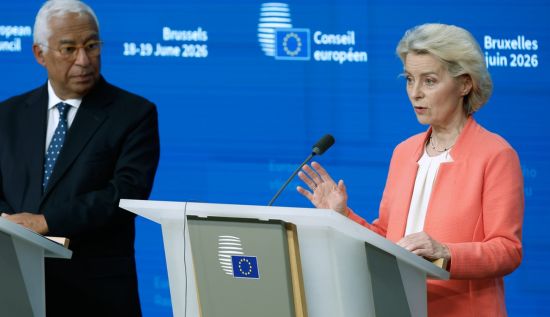
Kallas’ comments echo broader EU positions: President of the European Council António Costa stressed continued EU support for a just and lasting peace, while the European Commission reaffirmed ongoing economic pressure on Russia as long as the bloodshed continues.
EU and international experts agree that Ukraine alone decides the terms of a ceasefire or peace, though any agreement will require robust security guarantees.