Yesterday at 20:15

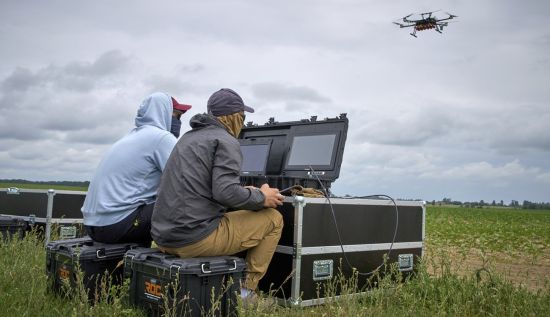
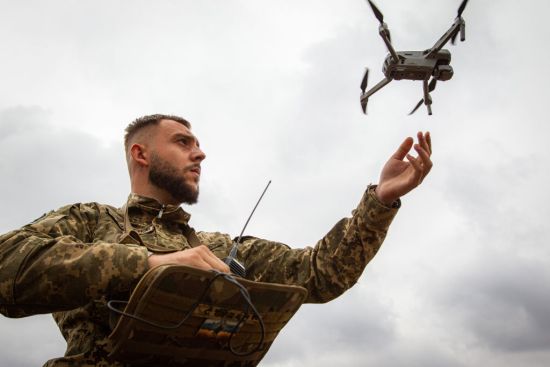
Margus Tsahkna, foreign minister of Estonia, said Ukraine should continue long-range drone strikes against targets deep inside Russia, arguing that Russian President Vladimir Putin wants NATO countries to pressure Kyiv into stopping the attacks, UATV English informs.
In an interview with Ukrinform, Tsahkna acknowledged concerns over incidents involving Ukrainian drones entering NATO airspace, including over Baltic states, but stressed that responsibility ultimately lies with Russia because it can end the war at any moment.
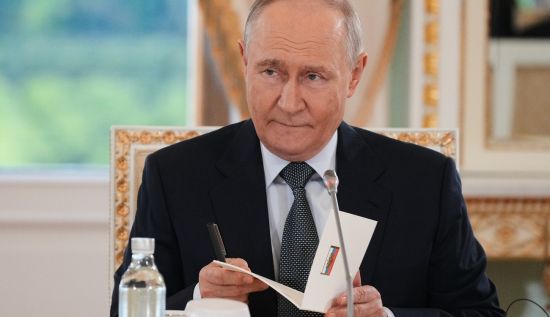
“Putin absolutely wants countries whose territory drones fly into to pressure Ukraine to stop the attacks,” Tsahkna said. “But we are not doing that.”
According to the Estonian foreign minister, Moscow is deliberately trying to push some drones toward NATO territory while simultaneously promoting false narratives claiming that Baltic states and Finland officially allow Ukraine to use their territory for strikes on Russia.
“That is not true. We never allowed this,” he said.
Tsahkna stressed that during the recent meeting of NATO foreign ministers, allies made clear that the issue lies with Russian aggression rather than with Ukraine’s defensive actions.
He added that no one questions Ukraine’s right to strike military and strategic infrastructure deep inside Russia, describing Ukrainian long-range attacks as effective “long-range sanctions.”
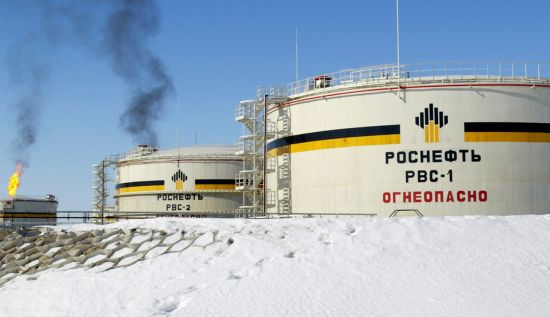
“We would like Ukraine to be more careful near the borders,” Tsahkna said, referring to strikes near locations such as Ust-Luga and St. Petersburg. “But Putin is deeply concerned because nearly 60% of Russian oil and gas exports pass through these ports. Therefore, Ukraine must continue.”
Recent drone-related incidents near EU borders have prompted Baltic states to seek Ukrainian expertise in constructing bomb shelters and strengthening civil defense infrastructure.
Against the backdrop of these security concerns, Ursula von der Leyen and European Commissioner for Defence Andrius Kubilius visited Lithuania this week for meetings with Baltic leaders, including Lithuanian Prime Minister Inga Ruginiene.
Read also: BRICS at a Breaking Point: How the War in Iran Exposes the Illusion of Global South Unity