Today at 01:04

Russia is increasingly redirecting crude oil exports as Ukrainian strikes continue to disrupt the country’s refining sector, leading to mounting volumes of oil stranded at sea, according to Bloomberg, UATV English reports.
Citing tanker-tracking data, the outlet reported that Russian seaborne crude exports averaged 4.21 million barrels per day during the four weeks ending July 12, nearly matching the highest level recorded since the start of Russia’s full-scale invasion of Ukraine.
The increase in exports comes as repeated Ukrainian drone attacks have forced Russian refineries to reduce operations, prompting Moscow to ship abroad crude that can no longer be processed domestically.
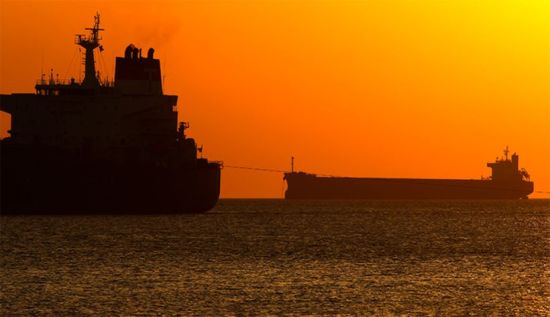
Bloomberg noted that export volumes have risen faster than demand, leaving growing amounts of Russian oil waiting offshore. According to the report, around 135 million barrels of Russian crude are currently stored aboard tankers at sea.
Several tankers carrying Urals crude remain anchored off Egypt’s Mediterranean coast, while others are waiting near Singapore’s Riau Islands. Cargoes of Russia’s Sokol, Sakhalin Blend and ESPO grades are also experiencing prolonged delays before being transferred to larger vessels for export.
At the same time, Russia’s crude production continues to decline. According to OPEC data cited by Bloomberg, Russian output averaged 8.93 million barrels per day in June—about 830,000 barrels below the country’s production target under the OPEC+ agreement.
The report suggests that Ukrainian attacks on Russia’s refining infrastructure are reshaping Moscow’s oil export patterns, forcing larger volumes of unprocessed crude onto international markets while logistical bottlenecks slow deliveries and increase the amount of oil held in floating storage.