Today at 23:29
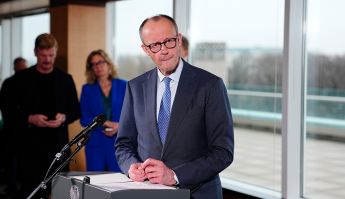
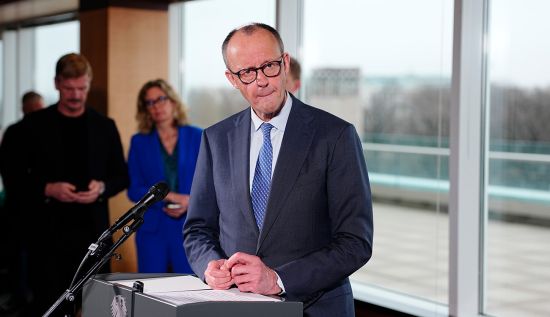
German Chancellor Friedrich Merz said it is now up to Russian President Vladimir Putin to accept Ukrainian President Volodymyr Zelenskyy’s proposal for direct peace talks aimed at ending Russia’s war against Ukraine.
Speaking during a question-and-answer session in the Bundestag on June 24, Merz recalled that Zelenskyy had personally reached out to the Kremlin leader earlier this month, UATV English reports.
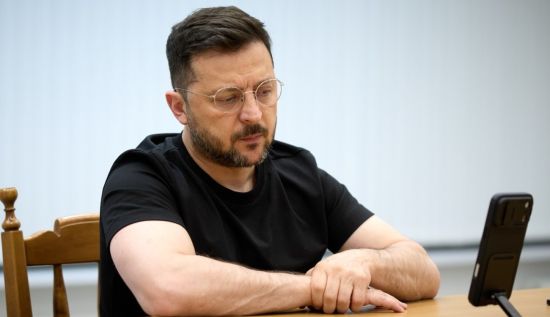
“I want to state very clearly once again: there is a concrete proposal from Ukraine to hold negotiations. On June 4, the Ukrainian president wrote a letter to the Russian leader and called on him to be ready for talks,” Merz said.
According to the chancellor, Zelenskyy set only one condition for such a meeting — that it take place outside Russia.
“The only condition he set, and I think anyone in his position would understand it, was not to meet in Moscow but anywhere else in the world,” Merz noted.
Merz stressed that Putin rejected the proposal.
“Putin refused this meeting, and therefore it is now solely up to him to decide whether he is prepared to accept this offer or not,” he said.
The German leader also noted that the heads of government of Germany, France and the United Kingdom had discussed possible diplomatic paths toward ending the war, as well as continued support for Ukraine, during recent meetings in the E3 format.
Merz added that participants of the G7 summit in Évian, including U.S. President Donald Trump, adopted a joint statement calling on Russia to end the war.
Later on Wednesday, Merz is set to host the leaders of France, the United Kingdom, Poland and Italy in Berlin in the E5 format, where support for Ukraine and prospects for a diplomatic settlement will also be discussed.
“We will continue consultations on what more we can do to support Ukraine and what assistance we can provide to make a diplomatic solution possible,” Merz said.
On June 4, Zelenskyy published an open letter to Putin proposing a personal meeting to discuss ending the war. He suggested that such talks could be held in a third country traditionally used as a venue for international negotiations.