Today at 20:24

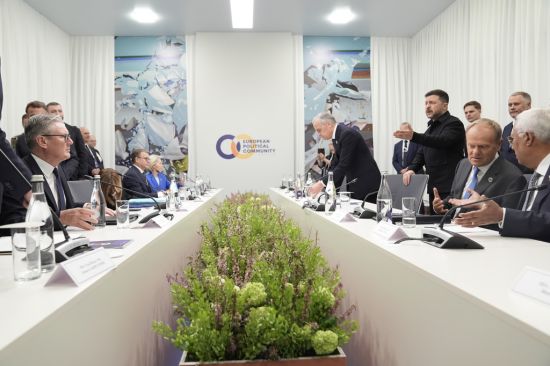
As Armenia prepares for parliamentary elections, the European Union is stepping up efforts to help Yerevan counter Russian interference, expanding a model previously tested in Moldova. The move reflects a broader shift across the post-Soviet space, where countries seeking closer ties with Europe are increasingly confronting hybrid threats originating from Moscow.
According to reports, Armenian authorities requested additional European assistance to protect the electoral process from cyberattacks, disinformation campaigns, and illicit political financing. Brussels has responded by strengthening the mandate of its civilian mission in Armenia and expanding cooperation aimed at countering hybrid threats.
The approach follows the experience of Moldova, where European institutions worked closely with authorities ahead of the 2025 elections to address large-scale attempts at external interference. EU officials and analysts have repeatedly pointed to similarities in the methods used against pro-European forces in both countries, arguing that Moscow relies on the same toolkit of information operations and influence networks across the region.
Observers note that Ukraine’s experience since 2014 has become increasingly relevant for countries attempting to reduce their dependence on Russia. From cyber resilience and information security to countering political influence operations, Kyiv’s experience is viewed as a practical framework rather than merely a historical example.
More broadly, the article argues that support for Ukraine has implications extending far beyond the battlefield. As Russia’s ability to project influence weakens, countries such as Armenia and Moldova gain greater opportunities to pursue independent foreign policies and deepen integration with European institutions. In this sense, Ukraine’s resistance has become a factor reshaping the political landscape across the former Soviet space.
For Western audiences, developments in the South Caucasus and Eastern Europe should not be viewed in isolation. The struggle over Ukraine’s future is increasingly intertwined with the ability of other nations on Russia’s periphery to determine their own strategic direction and move beyond Moscow’s sphere of influence.
Read the full article by Anton Kuchukhidze, political scientist and foreign policy analyst, co-founder of the United Ukraine Think Tank.