Today at 18:44
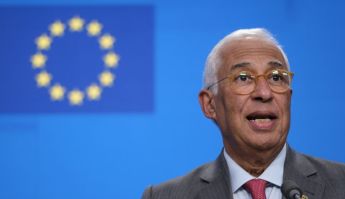
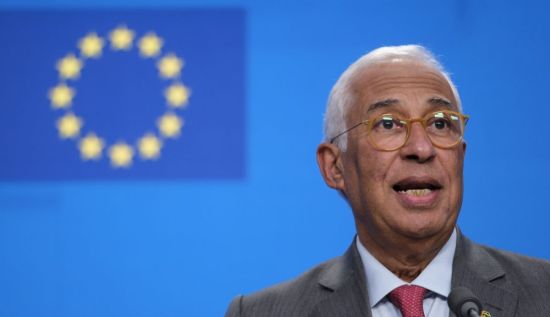
European Council President António Costa has reportedly established communication channels with the Kremlin as part of efforts to involve Russian leader Vladimir Putin in future discussions on ending the war in Ukraine.
According to Bloomberg, citing sources familiar with the matter, a senior adviser to Costa held two telephone conversations with a high-ranking Russian official close to Putin. The contacts were aimed at laying the groundwork for more substantive dialogue at a later stage, UATV English informs.
Neither side officially commented on the report. A spokesperson for Costa declined to discuss the matter, while Kremlin spokesperson Dmitry Peskov did not respond to Bloomberg’s request for comment.
The reported outreach reflects growing European efforts to ensure the European Union has a direct role in any future negotiations concerning the war and the continent’s security architecture.
“We need, at the right moment, to have talks with Russia to address our common issues on security,” Costa told journalists last month.
The report comes as several European governments advocate a more active diplomatic role for the EU in efforts to achieve a negotiated settlement between Ukraine and Russia.
According to Bloomberg, some EU member states have proposed appointing a special envoy responsible for contacts with Moscow. The idea remains politically sensitive, however, given the deterioration of relations between Russia and the European Union since the start of the full-scale invasion.
Russian President Vladimir Putin has previously suggested former German Chancellor Gerhard Schröder as a possible intermediary, although his long-standing connections with the Kremlin and Russia’s energy sector have made the proposal controversial among European governments.
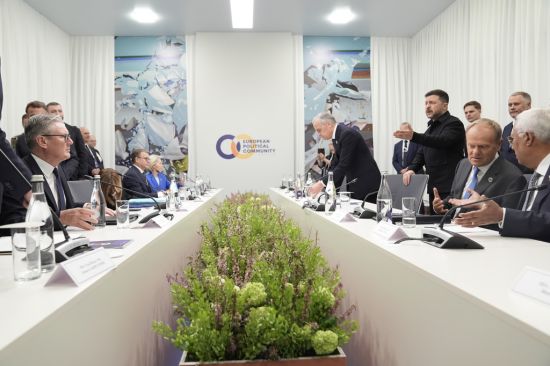
At the same time, Europe’s three largest economies—Germany, France, and the United Kingdom—have reportedly been discussing possible approaches for engaging Moscow in coordination with Ukrainian President Volodymyr Zelenskyy.
European officials believe the current stage of the war may create new opportunities for diplomatic engagement. Russia continues to face mounting economic pressure and military challenges, while Ukraine has expanded long-range strikes against military and logistical targets inside Russian territory.
According to one source cited by Bloomberg, senior EU officials are working to develop a common European position on future negotiations and are preparing for a period of more intensive communication with Moscow.
The diplomatic activity reflects broader concerns among European leaders about being sidelined in discussions over the future of European security. While direct contacts with Russia were widely viewed as politically unacceptable in the immediate aftermath of the invasion, attitudes have gradually evolved following the launch of a separate negotiating track between U.S. President Donald Trump and Vladimir Putin last year.
European governments increasingly argue that any settlement of the war will have profound implications for the continent’s security and therefore requires direct European involvement.
Ukrainian President Volodymyr Zelenskyy has repeatedly stated that Ukraine remains open to negotiations aimed at ending the war but has stressed that Kyiv will not accept any settlement involving the surrender of Ukrainian territory.