Today at 16:00

Ukraine’s international broadcasting channels under the brands FREEДОМ, UATV, and The Gaze actively covered Armenia’s parliamentary elections on air and across digital platforms, including YouTube, Facebook, Instagram, Telegram, TikTok, WhatsApp, and X. Coverage included special reports, expert discussions in the studio, and live broadcasts from Yerevan. Overall, content across the digital platforms of the International Broadcasting Multimedia Platform of Ukraine (IBMPU) generated more than 3.5 million views*, including over 1 million views each on Facebook, YouTube, and Instagram. More than 90% of the audience came from outside Ukraine, with viewers from Armenia accounting for between 9% and 55% of views.
On the eve of voting and on election day itself, FREEДОМ correspondent Mykyta Skoblikov worked in Yerevan, covering voter sentiment, the voting process, record turnout, vote counting, and reactions from society and political forces to the preliminary election results through live reports and special features.
The greatest audience interest on FREEДОМ was attracted by a live broadcast from a polling station in Yerevan on election day, during which Armenian voters spoke about their aspirations for peace, stability, and security. The video received 106,000 views, 94.4% of which came from international audiences. The largest share of viewers came from Russia (30%), Armenia (9%), Azerbaijan (6.7%), Belarus (6.3%), and Kazakhstan (6%). Among the leading cities by viewership were Moscow, Yerevan, Baku, Tashkent, and Saint Petersburg.
There was also strong interest in the preliminary election results. After votes from most polling stations had been counted, Nikol Pashinyan’s Civil Contract party was leading with more than 50% of the vote, while the Strong Armenia bloc was receiving around 29%. The video attracted 82,000 views, with 93.6% of the audience coming from outside Ukraine. Viewership by country included Russia (30.2%), Armenia (15.7%), Azerbaijan (5.7%), and the United States (5.6%). The cities with the highest viewership were Moscow, Yerevan, Baku, Saint Petersburg, and Minsk. Another report focused on the preliminary parliamentary election results, the historic victory of Nikol Pashinyan’s party amid record voter turnout, and support for the country’s pro-European course. Russia and Armenia together accounted for more than half of the total audience. Other leading countries included the United States, Azerbaijan, and Belarus. The top cities were Moscow and Yerevan, followed by Baku, Saint Petersburg, and Tashkent.
Among Facebook audiences on FREEДОМ platforms, the most popular video focused on how the victory of Nikol Pashinyan’s party could change the balance of influence in the South Caucasus and weaken the Kremlin’s position in the region. On the FREEДОМ Caucasus platform, it received more than 442,000 views. The leading countries by viewership were Russia, Georgia, Kazakhstan, Moldova, and Lithuania. The same video was viewed another 1 million times on Instagram. Also among the most popular pieces of content was a report from FREEДОМ’s correspondent in Yerevan covering the key day of parliamentary elections, Russian political and economic pressure on the country, and voter sentiment in Armenia. International audiences accounted for 95.4% of total views. The greatest interest came from Armenia (53.6%), Russia (22.1%), Georgia (5%), and the United States (2%).
On TikTok, a comment by a member of Armenia’s Central Election Commission regarding interim voting results after one-third of voters had participated generated 114,000 views.
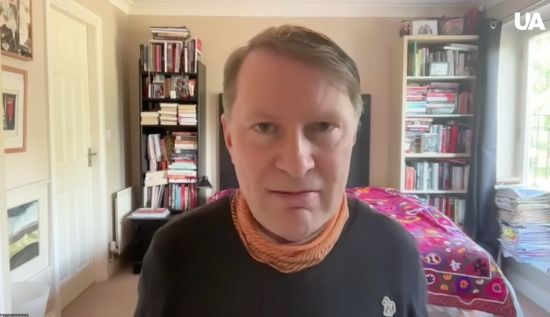
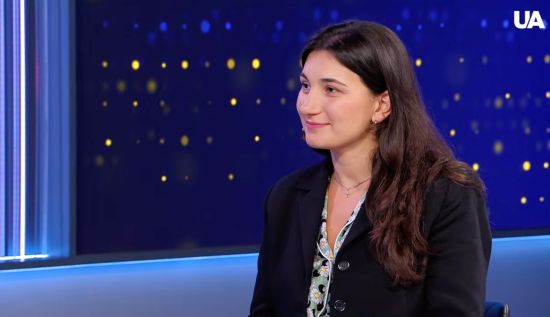
To discuss the parliamentary election results, FREEДОМ invited experts to its studio to analyze the possible impact of the vote on Armenia’s foreign policy course, relations with Ukraine, the role of the Russian factor, and challenges facing the new government. During a broadcast from Yerevan, political analyst Armen Manasyan examined the possible influence of the parliamentary elections on Armenia’s foreign policy direction, emphasizing that it is still too early to speak about a final choice between a pro-Western and a pro-Russian path of development.
Meanwhile, Ruben Meghrabyan discussed Russia’s attempts to influence Armenia’s parliamentary elections, arguing that these efforts effectively pushed the country further toward the West and reflected the pro-European sentiments of Armenian society. Ihor Semyvolos, Director of the Center for Middle Eastern Studies, explained the record voter turnout as a reaction to external pressure, particularly from Russia, which increased civic engagement among voters.
To engage audiences, the international broadcasting team organized polls during broadcasts and within YouTube channel communities, asking viewers how Armenia’s election results could affect cooperation with Ukraine and the country’s future foreign policy direction.
On UATV and The Gaze channels, Armenia’s parliamentary elections and the impact of the results on Russia’s geopolitical weakening were covered within regular news programs.
* Total performance metrics (views and reach) across the digital platforms of FREEДОМ, UATV.English, UATV.Español, UATV.Português, UATV.Arabic, UATV.Deutsch, UATV.Türkçe, UATV po polsku, UATV Français, UATV Magyarul, and The Gaze (YouTube, Facebook, Instagram, Telegram, TikTok, WhatsApp, and X). Data sources: digital platform analytics tools, Google Analytics, and YouTube Studio. Reporting period: June 6–8, 2026.