Yesterday at 20:15

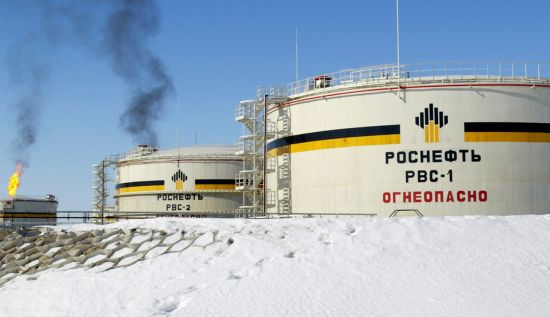
One of the most immediate consequences of the escalating conflict in the Middle East has been a sharp surge in global energy prices. Following the February 28, 2026 strikes by the United States and Israel on Iran, oil and natural gas markets reacted rapidly, reflecting growing fears of a prolonged disruption in key supply routes.
Read the FULL article by Ivan Us, PhD in Economics, Associate Expert at the United Ukraine Analytical Center
According to Us, what was previously considered a theoretical risk—the closure of the Strait of Hormuz—is now increasingly viewed as a plausible and potentially sustained reality. This is critical, given that roughly 20% of global oil consumption and a similar share of liquefied natural gas (LNG) trade pass through this narrow corridor.
The situation has been further complicated by the emergence of a “double blockade” scenario. By early March 2026, renewed activity by Houthi forces in the Bab el-Mandeb Strait, combined with intensified naval operations by regional actors, has effectively placed two of the world’s most important maritime routes under threat simultaneously.
Us emphasizes that the escalation has entered a new phase with direct strikes on energy infrastructure. Israeli forces targeted the South Pars gas field—Iran’s largest energy asset, responsible for approximately 70% of national gas production and 90% of domestic energy consumption. This marks a significant turning point, as it represents one of the first direct attacks on fossil fuel production infrastructure in the context of the broader U.S.–Iran confrontation.
Iran’s response was swift and equally consequential. Strikes on Qatar’s key energy facilities, including Ras Laffan and the industrial hub of Mesaieed, forced Doha to suspend liquefied natural gas production on March 2, 2026. As Us highlights, this development carries global implications, given that Qatar ranks as the world’s second-largest LNG exporter after the United States.
Taken together, these developments signal a shift from localized military confrontation to systemic disruption of global energy flows. As Us concludes, the overlap of maritime chokepoint risks and direct attacks on production facilities significantly increases the likelihood of prolonged volatility in energy markets, with cascading effects for both global economies and energy security.
Read the FULL article on The Gaze: How the war in the Middle East Affects Oil and Gas Prices