Yesterday at 19:54

Ukrainian Air Defense is no longer just holding the line – it is dictating new standards for global military science. From intercepting massive combined attacks to creating a flexible, multi-layered system using everything at hand: from Soviet legacy systems to the latest Patriot and NASAMS.
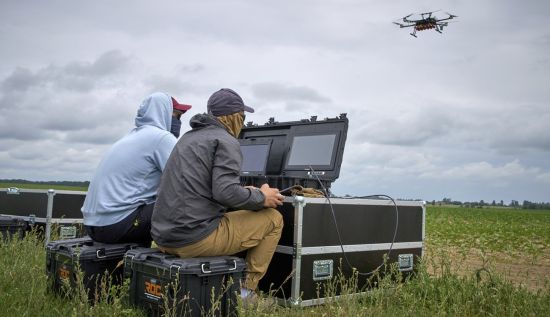
Ukraine has built one of the most effective air defense architectures in the world, adapting to hundreds of aerial threats daily through EW (Electronic Warfare) and low-cost interceptor drones.
In this interview, retired British Army Colonel and military expert Glen Grant breaks down: why coordination is Ukraine’s secret weapon, how multi-layered defense is changing the future of warfare, and what lessons NATO must learn right now to avoid being left behind.
— Everyone is praising Ukrainian air defense as one of the most effective in the world. Even General Steven Whiting from US Space Command told the Senate it is “out of this world.” As an expert, could you explain what makes it so special?
— The key factor is coordination. Ukraine has finally achieved a coordinated picture of what is happening in the airspace. Coordination is the central element.
It involves people at all levels knowing exactly what they need to do. The system is layered: guns, short-range anti-drone systems, and longer-range missiles all work together. The air force has managed to integrate everything into one coherent system, and it is working well.
Of course, it is not perfect. It does not stop everything, as we saw recently in Lviv. But even those incidents help them improve an already highly effective system.
— There is no absolute protection, but interception rates near 95% are impressive. At the same time, some countries still use expensive missiles against cheap drones like Shahed. Why is there such a difference in approach?
— It is a complex issue.
First, at the political level, many leaders believe it will not happen to them. Without political urgency, nothing changes.
Second, ministries of defense are often locked into long-term planning cycles — five- or ten-year plans. They are reluctant to change because those systems are stable and predictable.
Third, militaries often lack real experience with drone warfare. Many countries simply have not faced this threat before, so they did not adapt in advance.
— However, once they are hit — like what happened in Kuwait — they will move quickly. Long-term plans will be abandoned, and resources will be reallocated. This is war, and adaptation becomes unavoidable.
Ukraine has combined Soviet-era systems with Western technologies like Patriot, NASAMS, electronic warfare, interceptor drones, and even machine guns into one system. Does this pragmatic approach actually work?
— Yes, it works, and one major reason is Ukraine’s engineering culture.
Ukraine has a very strong base of engineers and a mindset geared toward solving problems creatively. This allows rapid adaptation and integration of different systems.
I would add that Iran has a similar engineering mindset, which explains why it can sustain its capabilities as well.
In contrast, some countries rely heavily on expensive solutions and are slower to adapt. Only now are they starting to question whether using costly missiles against cheap drones is sustainable.
— Ukrainian units often operate manually, constantly relocating and acting quickly — almost like “move like a butterfly, sting like a bee.” Is this different from NATO doctrine?
— No, it is not different.
NATO doctrine has always emphasized mobility. During the Cold War, units moved constantly to avoid being targeted. I personally experienced this — we relocated frequently, sometimes every night.
The doctrine exists, but applying it requires leadership and mindset. Commanders must be willing to leave comfort, relocate, and operate under more difficult conditions to survive and succeed.
— Is this mindset already present among NATO commanders?
— Not fully. Over time, many Western militaries became used to controlled environments like Iraq and Afghanistan, where the enemy lacked drones and air capabilities. That created a false sense of security.
Now the threat environment has changed. Air threats exist at multiple levels, and adaptation is required — but it is still happening too slowly.
— Ukrainian officers are now training foreign militaries. What can they teach experienced armies?
— Commanders and soldiers are willing to learn, but they often need direct experience or firsthand instruction.
The main obstacle is not willingness — it is bureaucracy, lack of authority, and resistance to change.
Ultimately, if political will exists, change can happen quickly. Without it, adaptation remains slow.
— There seems to be a gap between political rhetoric and real military needs. For example, how do you see leadership figures influencing military understanding?
— Political leaders are not the embodiment of the military.
Professional military capability comes from trained units, not political figures. In some cases, political leaders may lack understanding of military realities.
However, military professionals are actively studying Ukraine’s experience and incorporating lessons where possible.
— So Western militaries are learning from Ukraine?
— Absolutely. Military officers are gathering as much information as possible from Ukraine and applying it to their own forces. The same is happening in the UK and other European countries.
The real challenge is political approval and funding. Without reallocating budgets, meaningful change cannot occur.
— What are the key lessons the West should learn from Ukraine’s air defense?
— The most important lesson is that air threats are now multi-layered.
Traditionally, air dominance focused on aircraft and helicopters. Now, drones have added a completely new layer at low altitude.
This means air defense must also be multi-layered.
Many countries have neglected this. For example, some have significantly reduced ground-based air defense capabilities over the past decades and now need to rebuild them.
— Will this change NATO’s strategy?
— It must. Countries need to rethink how they defend against drones at all levels — from small FPV drones to systems like Shahed.
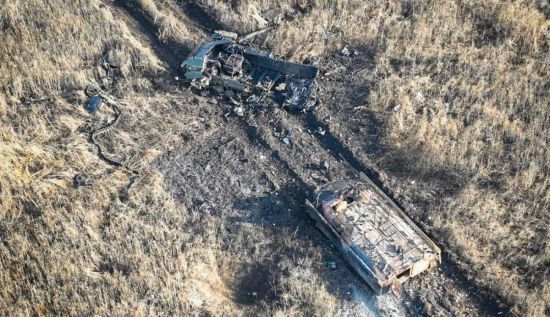
They also need to rethink how they use expensive equipment like tanks and armored vehicles. Without adaptation, these assets become highly vulnerable to drone attacks.
— So the battlefield has fundamentally changed?
— Yes. The main lesson is simple: countries must start looking up, not just at ground threats. The air domain is now decisive, and failure to adapt will lead to heavy losses.
Read also: Ukrainian Books That Outlived Empires