Today at 13:17

Ambassadors of the member states of the European Union, meeting in the format of COREPER II, have begun work on extending individual sanctions against Russia related to violations of Ukraine’s territorial integrity.
According to a European official who spoke on condition of anonymity, a written procedure to approve the extension of these sanctions has been launched.
“We can confirm that the written procedure has been initiated,” the source said.
The sanctions must be extended by March 15, 2026, to prevent them from expiring for more than 2,500 individuals currently subject to EU restrictions.
At a meeting of EU ambassadors held the previous day — the last one this week — the extension of the sanctions was not approved.
A written procedure is a legal mechanism that allows the Council of the European Union to formally adopt decisions remotely.
Typically, COREPER — which consists of EU member state ambassadors — prepares decisions for ministers. However, when an issue is urgent or largely technical and has already been agreed upon at the working-group level, ambassadors may initiate a written vote instead of waiting for the next ministerial meeting.
Under this process, the General Secretariat of the Council of the European Union distributes the draft decision to the governments of all 27 EU member states. Each country must submit a written response — usually via email or a secure system — before a specified deadline, indicating “Yes,” “No,” or “Abstain.”
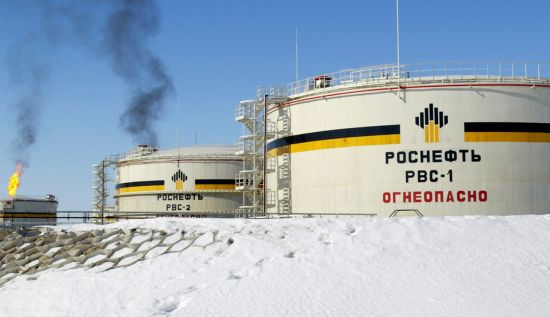
Earlier, António Costa, President of the European Council, warned that the decision by the United States administration to ease sanctions on Russian oil could increase the Kremlin’s resources for continuing the war against Ukraine.