Today at 12:02

Despite unprecedented sanctions pressure after 2022, Russian oligarchs have managed to preserve wealth and influence by exploiting systemic loopholes in Western sanctions regimes. Asset transfers to relatives, offshore trusts, proxy investors, and intermediary jurisdictions have become standard tools for maintaining control over businesses, yachts, real estate, and financial flows — often in plain sight of European and American regulators.
High-profile cases reveal a recurring pattern: once sanctions are announced, ownership structures are rapidly reconfigured to reduce formal control below critical thresholds. Assets are shifted to spouses, children, nephews, or trusted associates, allowing sanctioned individuals to retain de facto influence while formally complying with legal requirements. These mechanisms have enabled continued exports, access to Western services, and participation in global markets.
At the same time, sanctions evasion has moved beyond individual oligarch tactics into an ecosystem of facilitators. Lawyers, bankers, offshore jurisdictions, shipping companies, and logistics intermediaries play a critical role in sustaining these schemes. Parallel trade routes through Central Asia, Turkey, China, and India have become key corridors for the re-export of sanctioned goods, including dual-use technologies vital for Russia’s military industry.
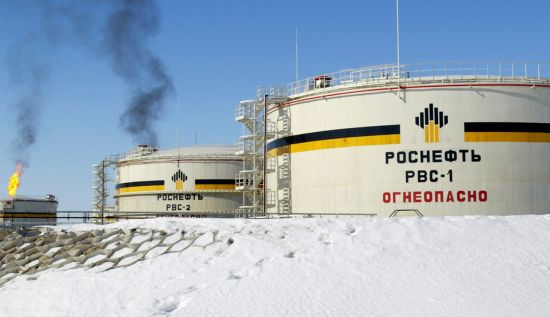
A separate pillar of this system is Russia’s expanding shadow oil fleet. Hundreds of aging tankers operate under false flags, opaque insurance arrangements, and intermediary ownership, allowing Russian oil to be transported above price caps and outside formal monitoring. While the EU and its partners have begun targeting these vessels, gaps in coordination and enforcement continue to undermine the overall impact of sanctions.
Read the full analysis by Danylo Yershov, junior expert at the United Ukraine Think Tank.