Today at 19:54

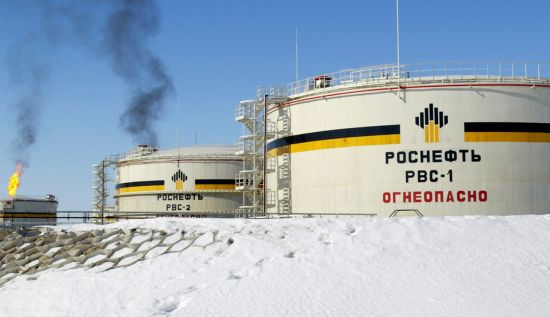
Belgium worries it could become the primary battleground with Russia over the issue of frozen assets, yet the legal avenues for turning those assets into a reparations-backed loan for Ukraine are essentially unobstructed.
The broader European plan to channel Russia’s frozen reserves into financing for Ukraine has met pushback—most notably from Belgium, which holds the largest share of these immobilized funds blocked by the West after Russia’s invasion. Belgium’s objections are pragmatic rather than ideological: they center on exposure to risk, liability, and potential knock-on effects. Still, there are no real legal barriers preventing Ukraine from receiving a reparations loan secured by these assets.
Read more in the article by Volodymyr Kuznetsov, communications specialist, expert at the United Ukraine Think Tank
First of all, Kuznetsov emphasizes that Moscow is countering the initiative on several fronts, chiefly by threatening litigation and diplomatic retaliation. Belgium’s Prime Minister, Bart De Wever, has cautioned that the country will not move alone: as quoted by Reuters, “If we ‘take Putin’s money’, we must be ready for everything.”
Brussels further notes that using the assets might be interpreted by Moscow as outright “confiscation,” which—politically and legally—could invite countermeasures such as freezing Western corporate holdings, seeking damages, or targeting financial institutions.
Inside the EU, any move to use Russian assets is constrained by internal procedures: decisions of this magnitude typically require consensus among all 27 member states. Belgium and several others are concerned they could shoulder an outsized portion of the risk.
Secondly, the expert argues that against this backdrop, the notion of “bypassing consensus” implies that the EU—via the Commission or a separate accord—could design a framework that doesn’t demand formal assent from all 27, but does ensure coordination among a critical mass of participating states and a fair risk-sharing mechanism. Belgium, for instance, wants assurances from partners that if complications arise, the burden of responsibility will be shared.
The author concludes that there are four core reasons to conclude that channeling Russia’s frozen assets to Ukraine via a reparations-backed loan is consistent with international law and faces no unresolved legal hurdles.
Not Simple “Confiscation.”
The proposal on the table is not outright seizure of Russian state assets. Instead, the frozen funds would serve as collateral or as the source for a loan to Ukraine, to be repaid only if and when Russia pays reparations. This structure minimizes concerns about breaching the principle of sovereign immunity over reserves. Participating states explicitly stress that this is not open confiscation.
International Reparations Law.
Ukraine has a valid legal claim against Russia arising from the act of aggression; the duty to make full reparation is a settled rule of international law. Using the frozen assets to finance that claim is both logical and lawful.
Risk-Sharing and Guarantees.
Belgium seeks joint responsibility from partner states. If such burden-sharing is codified, any legal or financial exposure for Belgium alone would be substantially mitigated.
Precedent and Political Commitment.
The European Commission, along with Germany and France, is advancing a €140 billion loan to Ukraine anchored in frozen Russian assets—evidence that the political will and practical architecture already exist.
Read the FULL article by Volodymyr Kuznetsov on The Gaze: Belgium’s Cautious Stance on Russian Assets: Legal Paths to a Reparations Loan for Ukraine Remain Open