Today at 20:05

To effectively deter Russian aggression, Ukraine requires continued financial assistance from its international partners, increased investment in its defense industry, and uninterrupted access to signals intelligence.
Since the launch of Russia’s full-scale invasion in 2022, Ukraine has relied heavily on exceptional levels of military aid from the West. At the NATO summit held in The Hague on June 24–25, 2025, the issue of long-term support for Ukraine was a central — though not always publicly emphasized — topic of discussion. Faced with shifting security dynamics, NATO allies made landmark commitments to bolster their own defense, including a pledge to raise defense spending to 5% of GDP over the next ten years.
Importantly, the summit’s final communiqué reaffirmed the allies’ “unwavering sovereign commitment” to supporting Ukraine. It recognized that Ukraine’s security is integral to that of the Alliance. For the first time, NATO also agreed that direct contributions by member states toward strengthening Ukraine’s military and defense industry will be included in their overall defense spending figures.
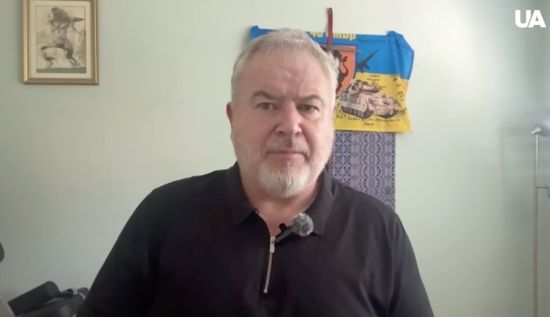
Read more about this in the article by Igor Popov, head of United Ukraine Think Tank, expert on political and security issues for The Gaze.
Firstly, Popov argues that to enhance the effectiveness and stability of military support to Ukraine, NATO allies are overhauling coordination mechanisms. Since the start of Russia’s full-scale invasion, the primary platform for organizing arms deliveries has been the U.S.-led Ukraine Defense Contact Group, known as the “Ramstein format,” which includes over 50 donor countries.
However, under new decisions made at the NATO summit in The Hague, the Alliance will now assume responsibility for coordinating military supplies and training Ukrainian forces at the operational level. The political dimension of the Ramstein format will remain under U.S. leadership.
This integration of the Ramstein process into NATO structures aims to ensure a more structured and reliable support system. Analysts view the move as a safeguard against potential disruptions — particularly the so-called “Trump factor” — should there be a shift in the political will of key allies. At the summit, U.S. President Donald Trump refrained from making concrete commitments to continued funding for Ukraine. In this context, NATO’s role is seen as a way to ensure sustained military assistance regardless of political changes within member states.
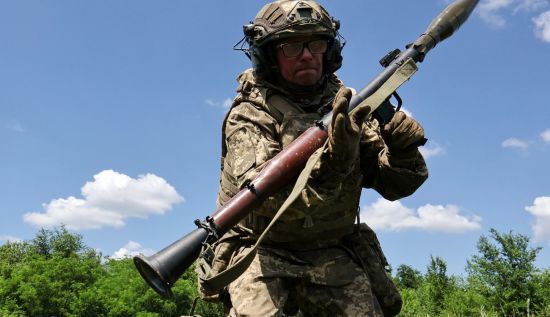
Secondly, political expert explains that Ukraine’s Armed Forces urgently require modern weaponry, including air defense systems, artillery and ammunition, armored vehicles, long-range missiles, and aircraft. While most of this equipment is currently provided as aid, Ukraine acknowledges the limits of free assistance and has expressed its readiness to purchase critical systems using both domestic and borrowed funds.
According to a Ukrainian Foreign Ministry spokesperson, Kyiv is actively negotiating with Washington over the potential purchase of U.S. weapons, such as Patriot air defense systems — systems previously delivered solely as aid. Ukrainian diplomats are now working on financing arrangements for these deals, exploring options that include support from international partners, investment funds, and other sources.
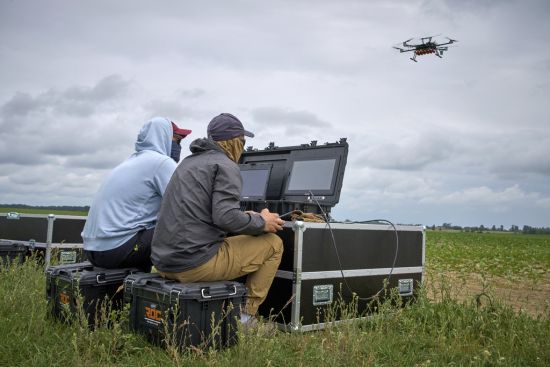
Thirdly, the expert emphasizes that the swift depletion of weapons stockpiles during the war has underscored the urgent need for Ukraine to boost its own defense manufacturing — with active support from its partners. In response, a defense industry forum was held alongside the NATO summit in The Hague, where President Volodymyr Zelenskyy called on governments and companies to help modernize the global “arsenal of democracy.” This led to several agreements on joint arms production.
Notably, Ukraine and Denmark signed a groundbreaking letter of intent to begin producing Ukrainian weapons on Danish soil. The Danish government has already committed 500 million kroner (about $70 million) to launch the initiative. Danish Defense Minister Troels Lund Poulsen emphasized that hosting Ukrainian defense production will deepen bilateral cooperation and provide Denmark’s armed forces access to cutting-edge Ukrainian technologies. President Zelenskyy confirmed that Denmark will be the first country outside Ukraine to jointly manufacture long-range drones and missiles.
The Netherlands also pledged to co-produce over 600,000 drones with Ukraine at Dutch facilities. Alongside this, the Dutch government announced a new €175 million military aid package that includes advanced anti-drone radars and armored medical evacuation vehicles.
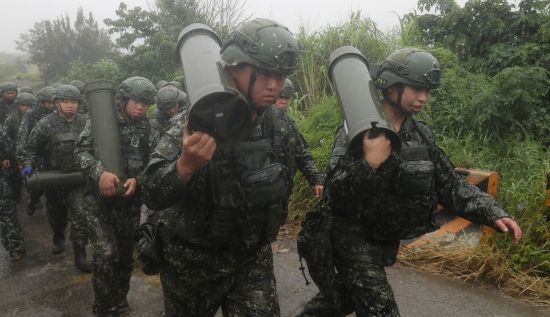
Finally, Igor Popov summarizes: While less visible than weapons or aid packages, intelligence sharing and military training are critical components of Western support. Ukraine relies on its partners’ surveillance capabilities—from satellite data and cyber intelligence to information from global networks—as well as their help in preparing troops according to NATO standards. These efforts significantly enhance Ukraine’s defense capacity and move us closer to the shared goal of a just and lasting peace in Europe.
The NATO summit in The Hague reinforced a key shift: contributing to Ukraine’s security is now seen as investing in the security of the entire Euro-Atlantic space. The commitments made there demonstrate the Allies’ readiness to support Ukraine for as long as it takes.
Read the full article by Igor Popov on The Gaze: What Specific Military Assistance Does Ukraine Need From Partners?
Read also: How Russia Manipulates Religion to Justify Its War: The False Narrative of Persecution in Ukraine