Yesterday at 22:06

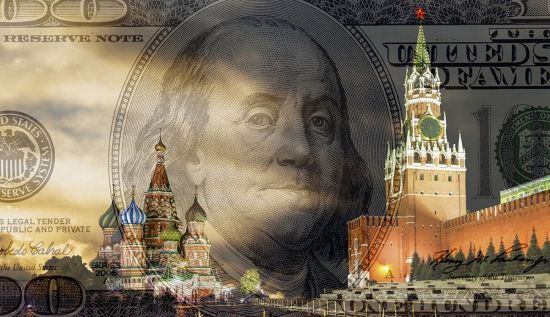
ussia’s revenues from oil exports fell in November to their lowest monthly level since the start of its invasion of Ukraine in February 2022, the International Energy Agency (IEA) reported, according to UATV English.
Despite being the world’s third-largest oil producer, Moscow’s income from fossil fuels, which is crucial for its state budget, has been under pressure due to weak economic growth, sanctions, and Ukrainian attacks on energy infrastructure.
Falling Volumes and Prices
The IEA highlighted that declines in both export volumes and prices reduced oil export earnings to $11 billion (€9.5 billion) in November, $3.6 billion (€3.1 billion) lower than the same month last year.
Russia’s Ministry of Finance reported that revenues from oil and gas over the first nine months of 2025 fell 22%, totaling $88 billion (€76 billion).
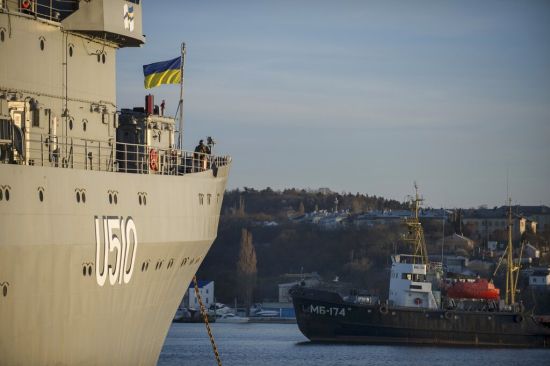
Ukrainian strikes on Russia’s shadow fleet and offshore oil facilities nearly halved Russian oil exports through the Black Sea in November.
“After significant unplanned refinery shutdowns were resolved in November, tensions in oil product markets eased, but sanctions in Q1 2026 will present a new challenge,” the IEA said.
Sanctions and Military Pressure
In October, the U.S. imposed some of its toughest sanctions yet on Russia’s energy sector, targeting oil giants Rosneft and Lukoil in an effort to pressure Moscow to end the war in Ukraine. These measures followed intensified Ukrainian attacks on Russian refineries during summer and early autumn, which had also caused spikes in domestic gasoline prices.
High military expenditures, persistent inflation, and falling oil revenues have strained Russia’s budget. The Kremlin is expected to face a $50 billion (€43 billion) deficit this year, roughly 3% of GDP, and plans to raise taxes next year to narrow the gap.
Production and Market Challenges
Russian crude oil production last month was well below OPEC+ quotas, as Ukrainian drone strikes disrupted refinery operations. Moscow has also been struggling to find buyers for its sanctioned barrels.
The IEA report underscores the combined impact of military conflict, sanctions, and market pressures on Russia’s oil-dependent economy.