Yesterday at 22:06

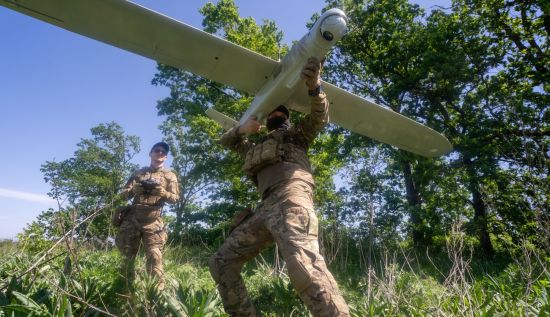
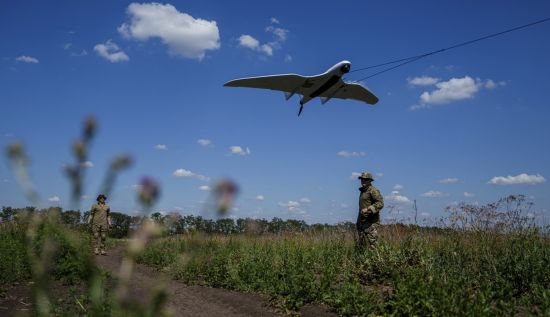
Ukraine’s long-range drone campaign against Russian oil infrastructure has evolved from a tactical pressure tool into a major strategic factor reshaping Russia’s wartime economy. By extending strike capabilities deep into Russian territory — up to 1,800 kilometers — Ukrainian forces have effectively eliminated the illusion that rear-area refineries remain untouchable.
Repeated attacks on facilities such as Tuapse, Perm, Ukhta, and Chelyabinsk have disrupted refining operations, damaged export logistics, and forced Moscow into increasingly costly repair cycles. Analysts note that many facilities are being struck again before previous damage can be fully repaired, creating a cumulative effect on Russia’s industrial capacity.
According to multiple economic assessments, Russian refining volumes have fallen to their lowest levels in more than a decade, while export capabilities and budget revenues continue to shrink under the combined pressure of sanctions and infrastructure damage.
The campaign is also exposing weaknesses in Russia’s air defense systems. Traditional systems designed to intercept missiles are struggling against low-cost, low-altitude drones capable of penetrating deep into Russian territory and targeting critical infrastructure with increasing precision.
At the same time, Ukraine’s Security Service and Unmanned Systems Forces are turning economic warfare into a coordinated long-term strategy, targeting refineries, pumping stations, terminals, and logistics hubs that support both Russian military operations and export revenues.
Experts argue that the combination of sustained drone strikes and Western sanctions is creating a new economic reality for the Kremlin — one in which declining oil revenues and growing infrastructure damage increasingly constrain Russia’s ability to finance prolonged military operations.
Read more in the full article by Valentyn Gladkykh, political analyst and expert at the United Ukraine Think Tank.